
40+
PSC – OVER 40 YEARS CONTRIBUTING TO VIETNAM’S ENERGY INFRASTRUCTURE
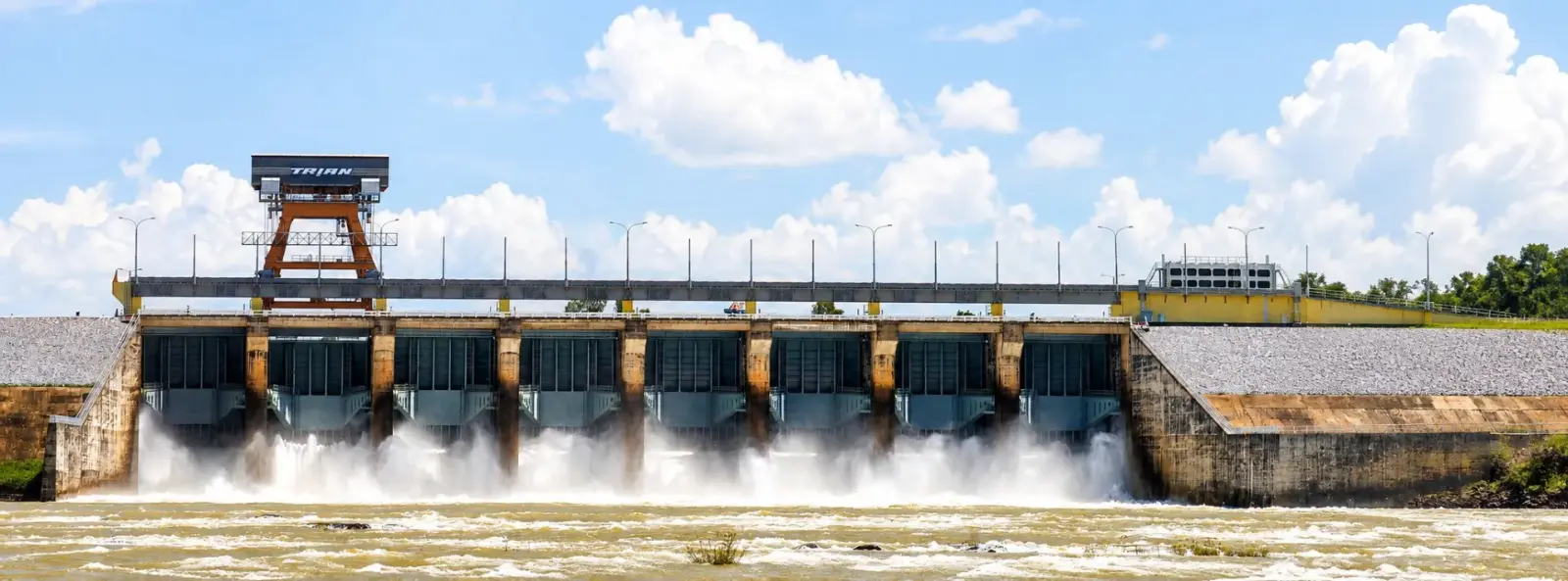
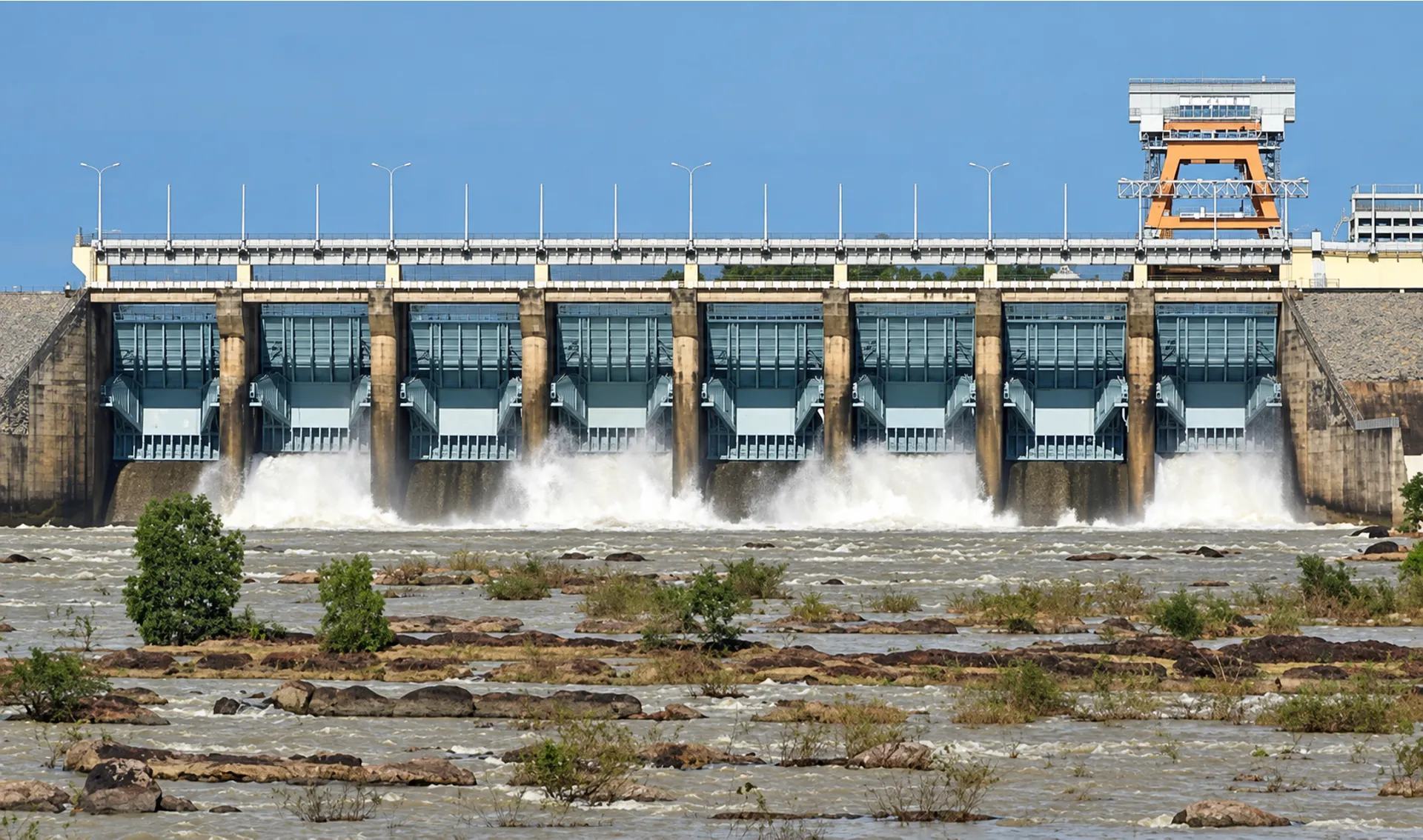
Tri An Hydropower Plant
1,000+ CRITICAL INFRASTRUCTURE PROJECTS
1,000+
Infrastructure projects
400+
Power Generation Projects
460+
High-Voltage Transmission Line Projects
160+
High-Voltage Substations
PSC PROJECT CATEGORIES
PIONEERING – STRATEGICALLY IMPORTANT – TECHNICALLY DEMANDING – LARGE-SCALE – COMPLEX WORKING CONDITIONS
01
ENERGY
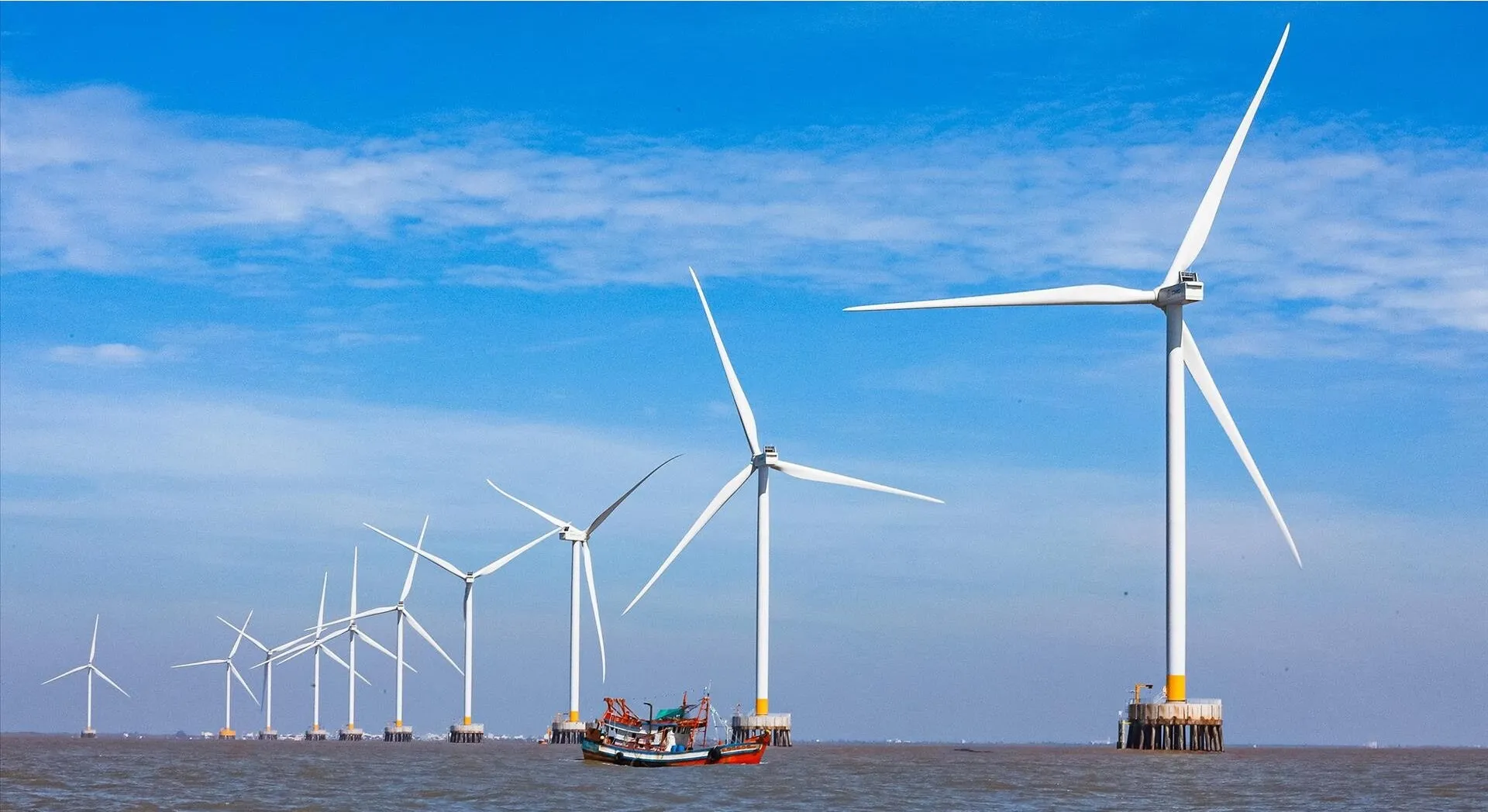
Energy has been PSC’s foundational sector over 40 years of development. From hydropower, thermal power, nuclear power and power grids to LNG, renewable energy, energy storage and offshore wind, PSC provides reliable technical data for facilities with stringent requirements for safety, accuracy and service life.
This remains PSC’s core sector as Vietnam progresses through its energy transition.
VIEW PROJECTS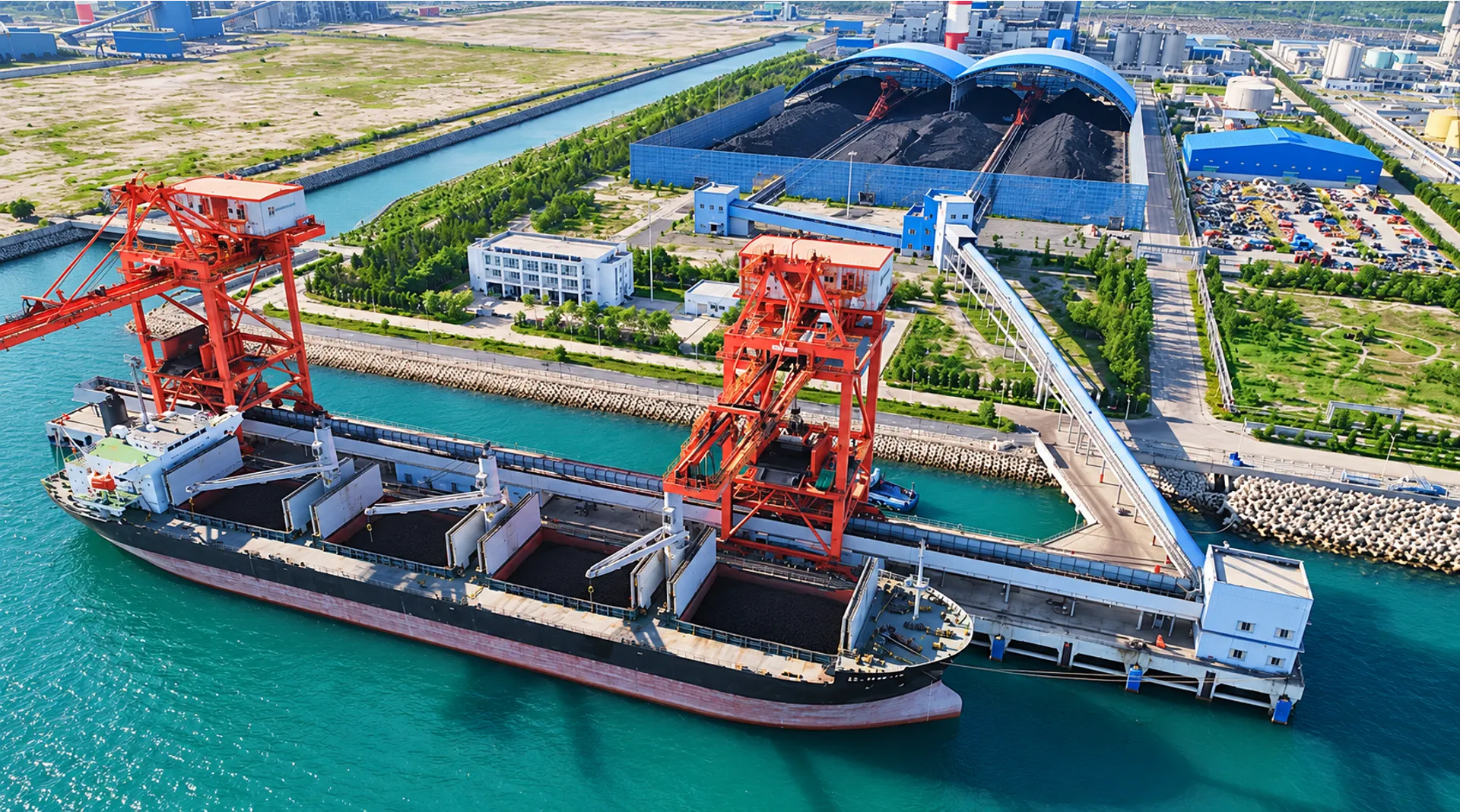
02
TRANSPORT AND LOGISTICS
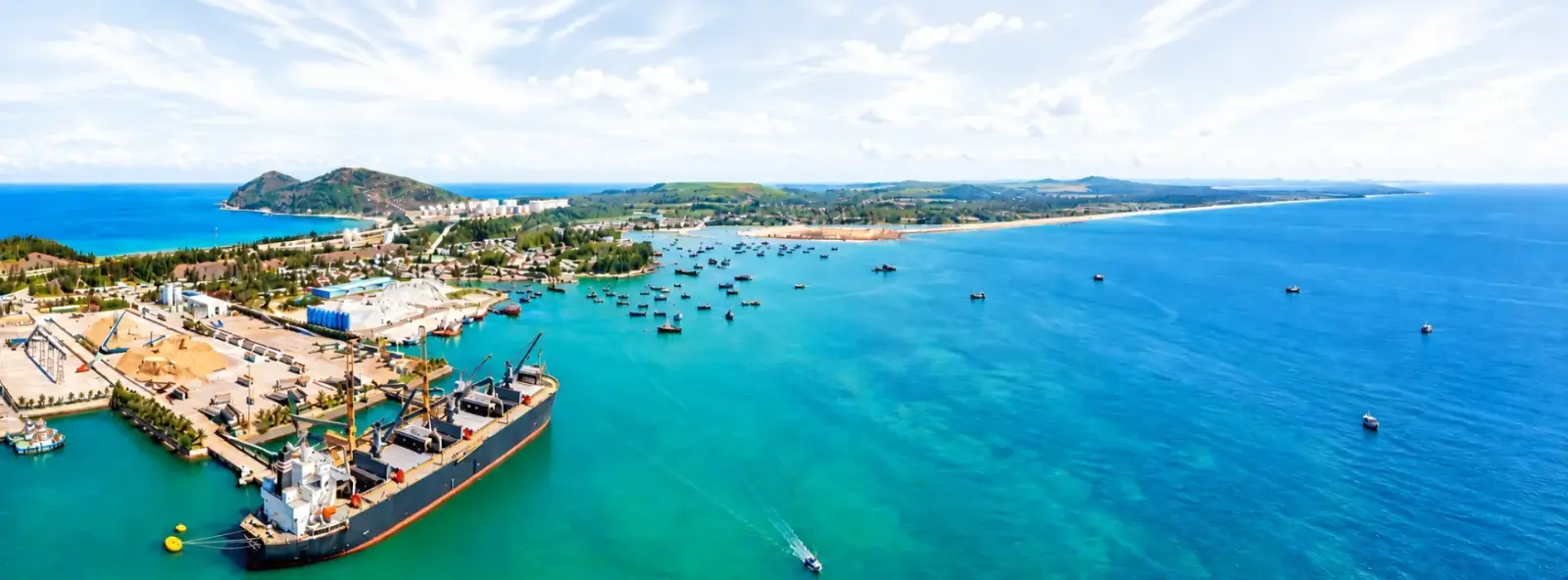
Building on its surveying capabilities along long route corridors, across rivers and coastal waters, and in difficult terrain, PSC is progressively expanding into airports, seaports, roads, bridges, tunnels and logistics centres. This sector involves extensive survey areas, continuously varying geological conditions and requirements for integrated connectivity.
PSC aims to provide continuous data throughout project stages, supporting the development of modern, safe transport and logistics systems that connect regions.
VIEW PROJECTS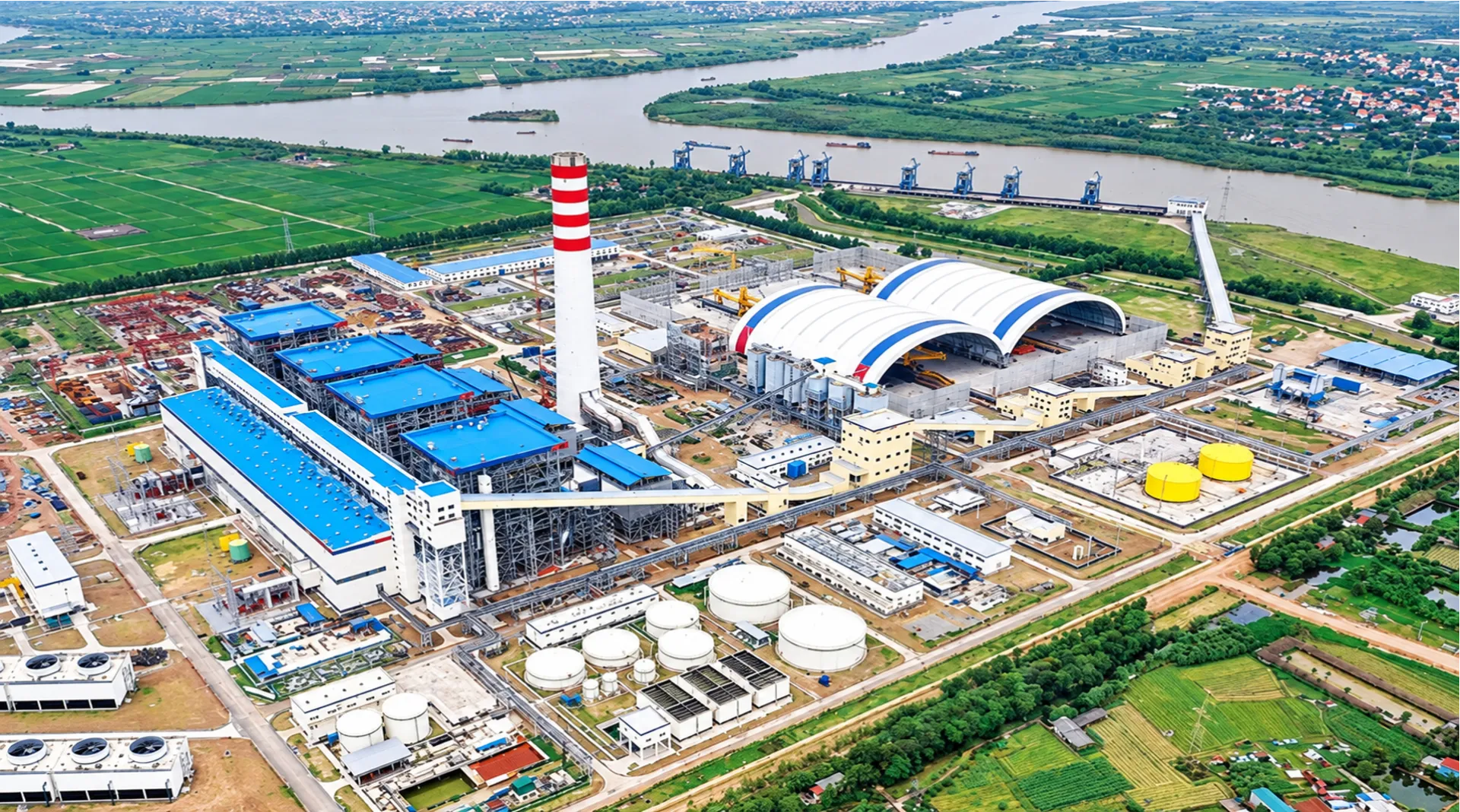
03
INDUSTRIAL AND URBAN DEVELOPMENT
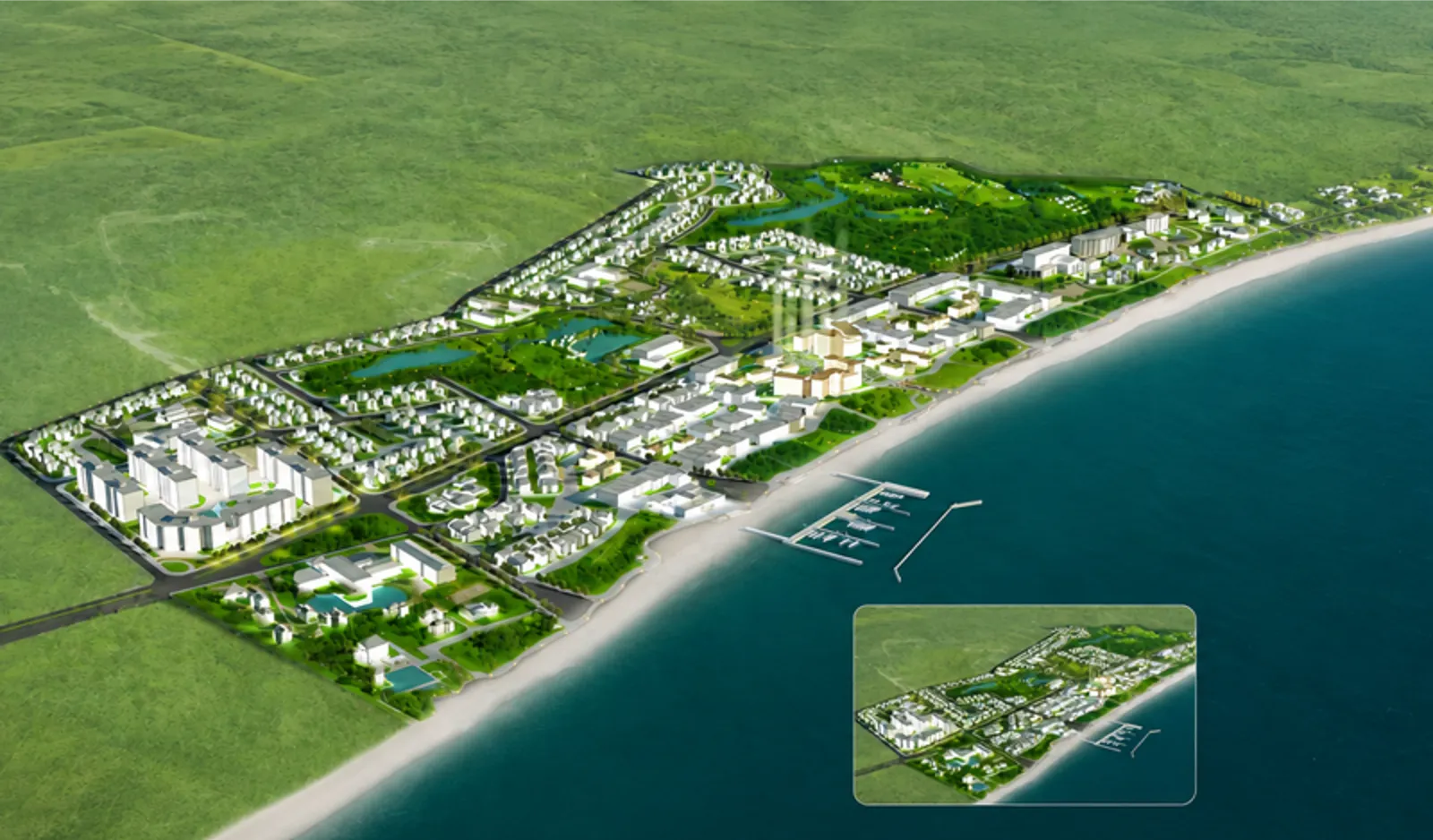
Experience in large energy complexes provides a foundation for PSC to expand into industrial parks, factories, underground structures and urban infrastructure. In areas with limited space, dense development and operating facilities, PSC focuses on accurate surveys, foundation assessments, monitoring and control of construction impacts.
This direction enables PSC to support sustainable industrialization and urbanization.
VIEW PROJECTS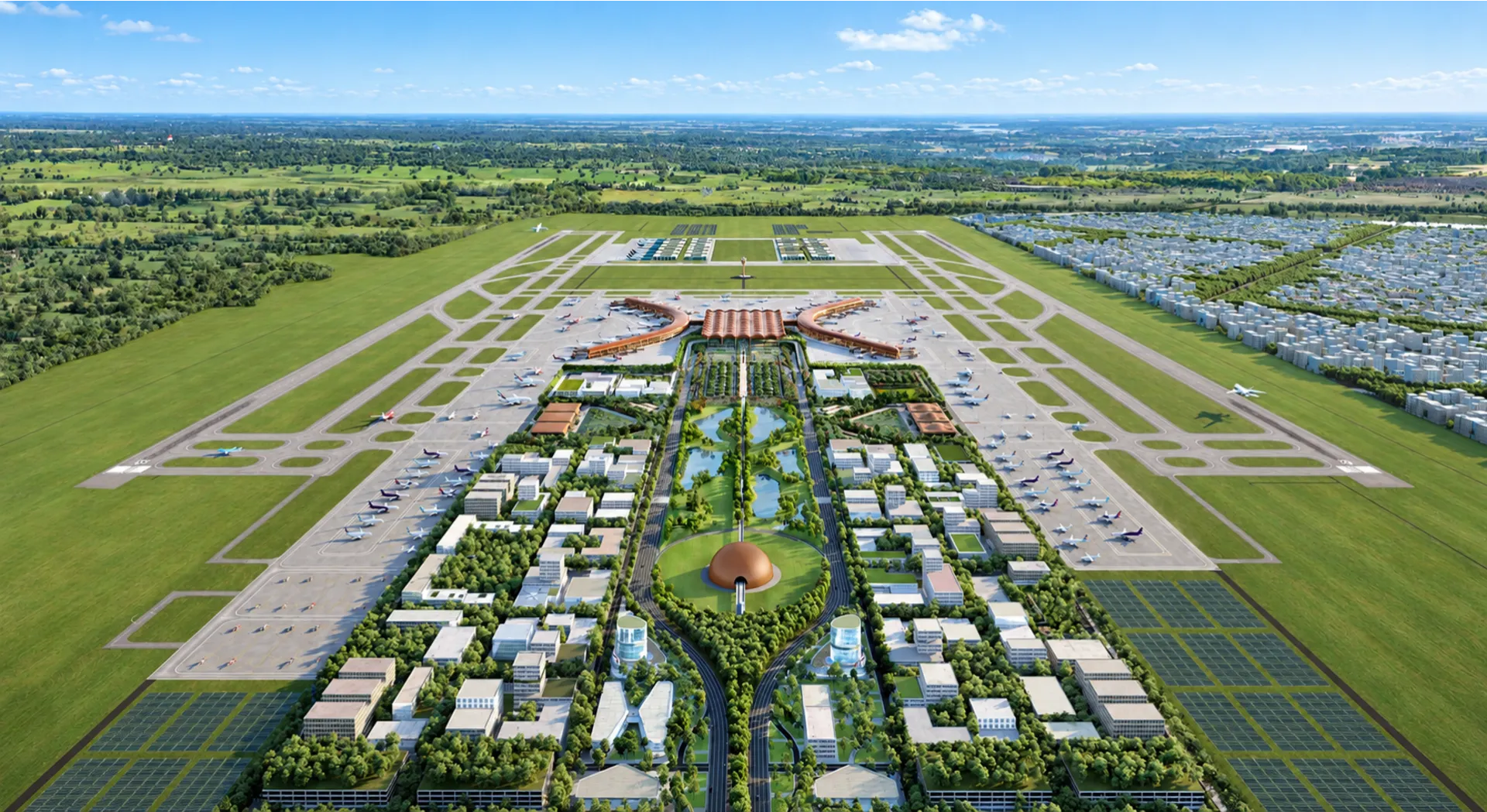
04
INTERNATIONAL PROJECTS
Through projects in Laos and Cambodia, PSC is progressively bringing its surveying, testing and geotechnical construction capabilities to regional markets. International projects require the ability to meet diverse standards, coordinate with foreign consultants and adapt to different geological, legal and cultural conditions.
Looking ahead, PSC aims to expand its regional presence, adopt advanced technologies and progressively bring Vietnamese technical expertise to international markets.
VIEW PROJECTSCHARACTERISTICS OF PSC PROJECTS
PIONEERING – STRATEGICALLY IMPORTANT – TECHNICALLY DEMANDING – LARGE-SCALE – COMPLEX WORKING CONDITIONS
PIONEERING
PSC has participated in nearly every type of project introducing new technology in Vietnam, including nuclear power, thermal power, LNG, hydropower, renewable energy, cross-sea transmission lines, high-voltage underground cables and GIS substations. Through each pioneering project, PSC progressively masters technologies, survey methods and new technical requirements.
STRATEGIC IMPORTANCE
PSC participates in key energy and infrastructure projects that safeguard energy security, drive economic growth and strengthen national connectivity. Many have provided a powerful stimulus for development and laid the foundations for new sectors in Vietnam. PSC therefore places the accuracy, objectivity and reliability of data at the forefront.
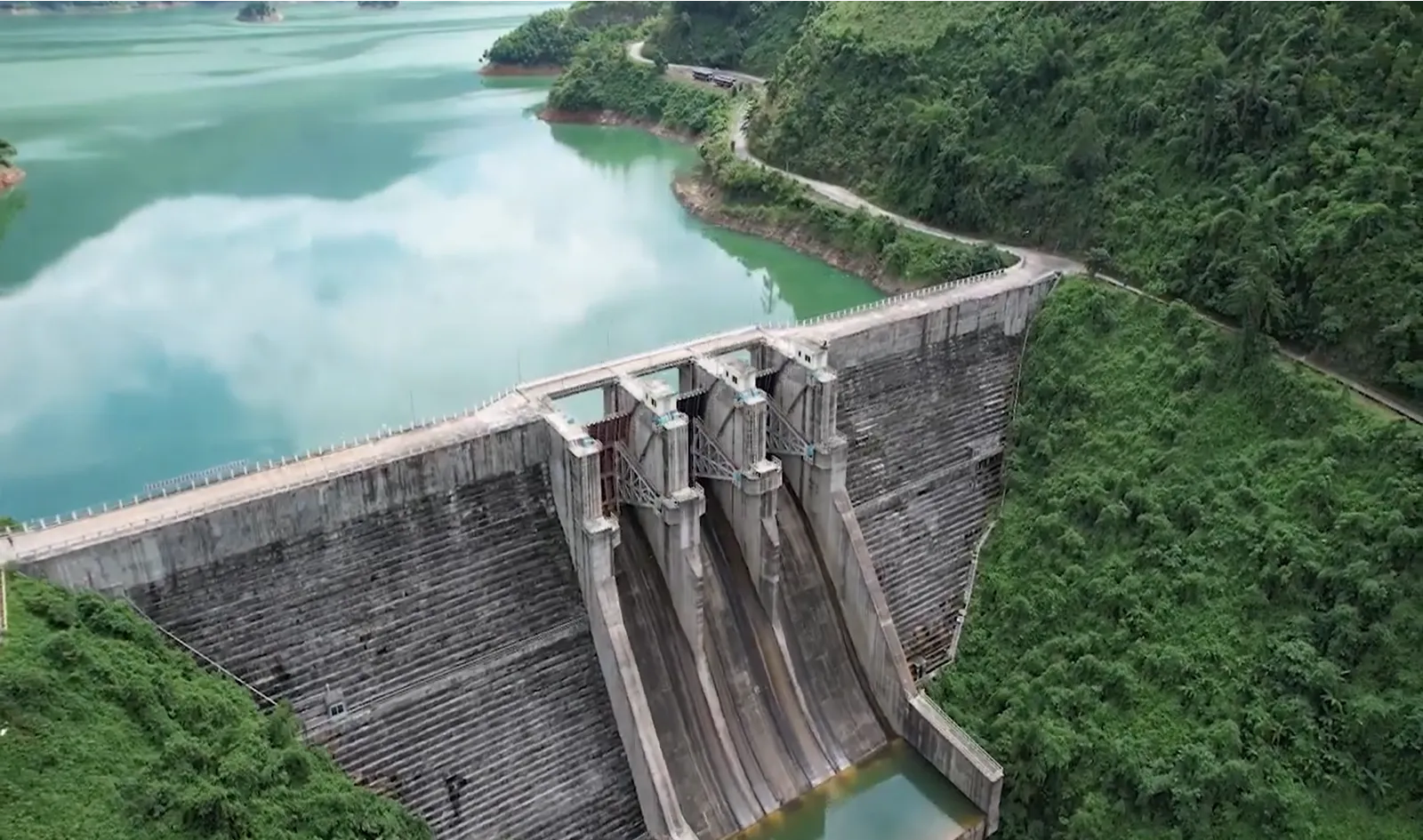
TECHNICALLY DEMANDING
Energy projects always impose very high requirements for accuracy, safety, reliability and risk control. PSC was formed and has matured within this demanding technical environment, over 40 years of surveying, testing, inspection, monitoring, geotechnical construction and foundation treatment.
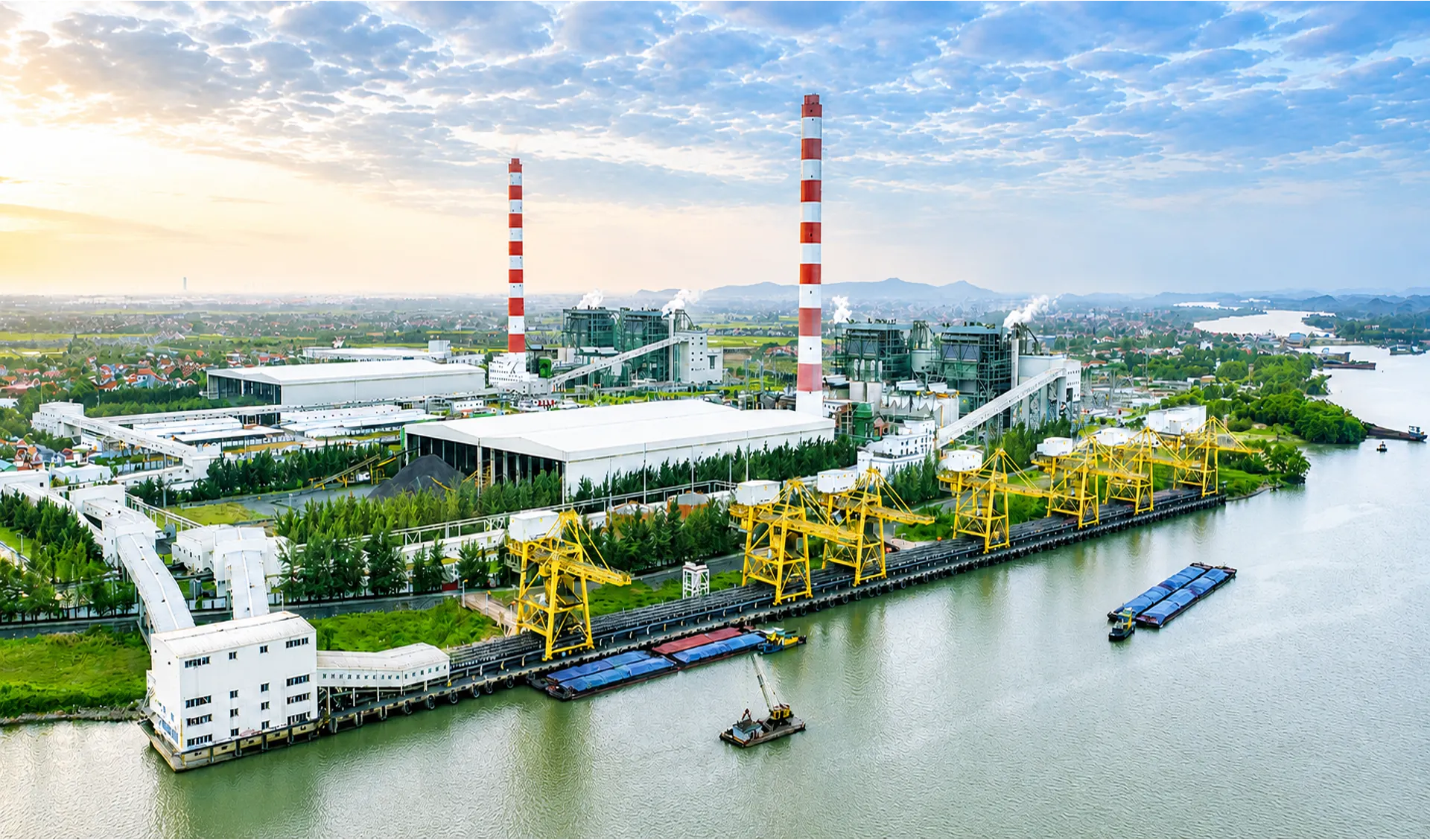
LARGE-SCALE
PSC has experience in projects involving substantial investment, high generating capacity, extensive areas and significant workloads. Work ranges from concentrated energy complexes to interregional transmission lines extending hundreds of kilometres, requiring the coordinated mobilization of personnel, equipment and multiple construction teams.
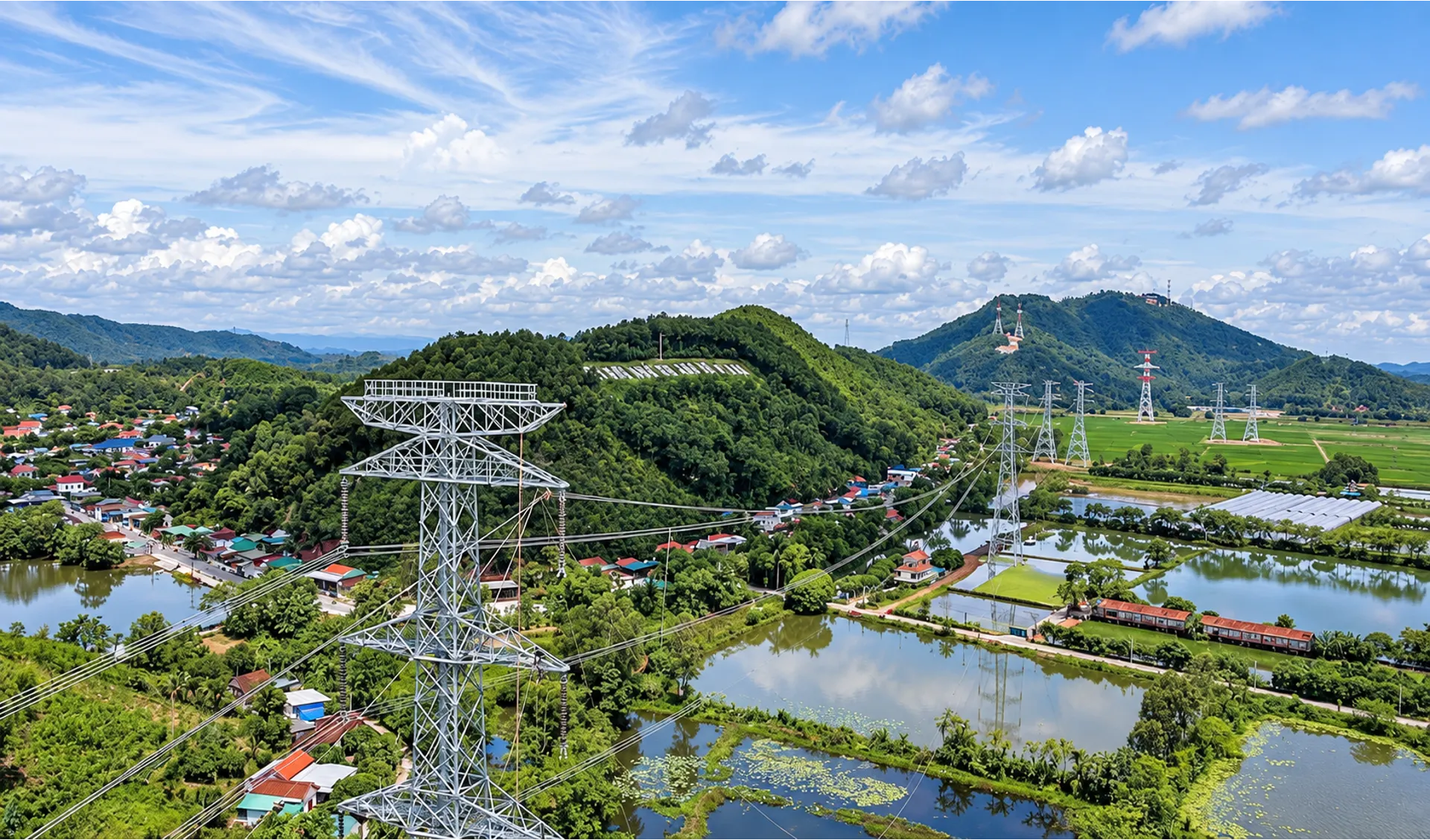
COMPLEX TERRAIN
PSC’s projects span diverse terrains and complex working environments: high mountains, plateaus, plains, urban areas, rivers and lakes, coastal areas, islands, underground and offshore locations. Field experience helps PSC select methods, invest in equipment and technology, and train personnel suited to each site, ensuring safety, quality and progress.
Featured project
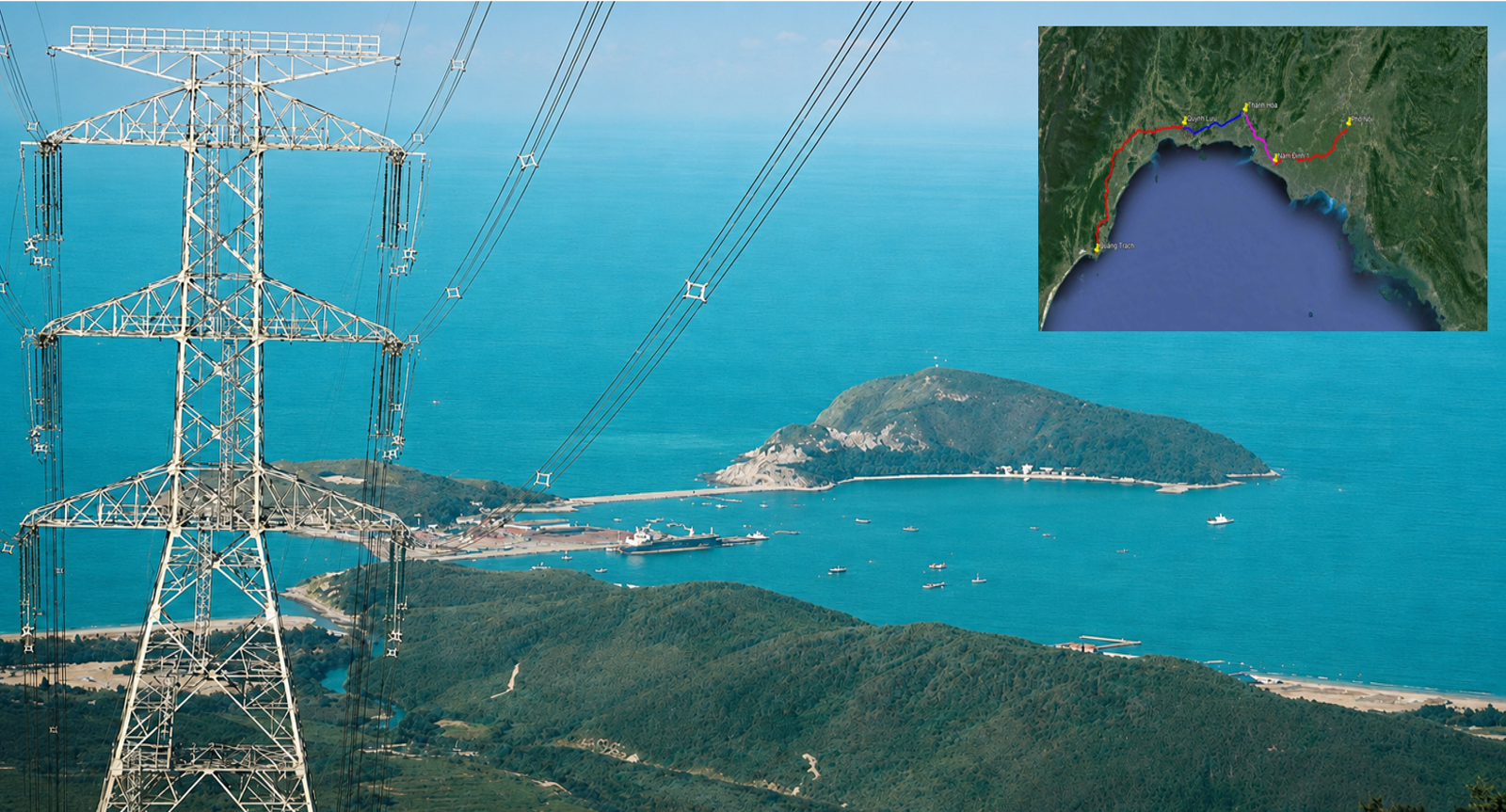 519 km
Overhead lines
Quang Trach – Pho Noi 500 kV Circuit 3 Transmission Line
08/2024
View details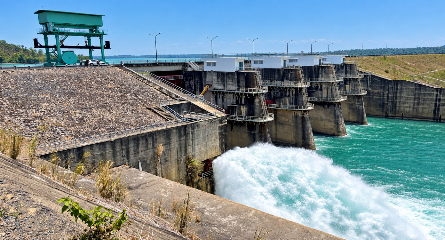 280 MW
Hydropower
Buon Kuop Hydropower Plant
Services: surveying
View details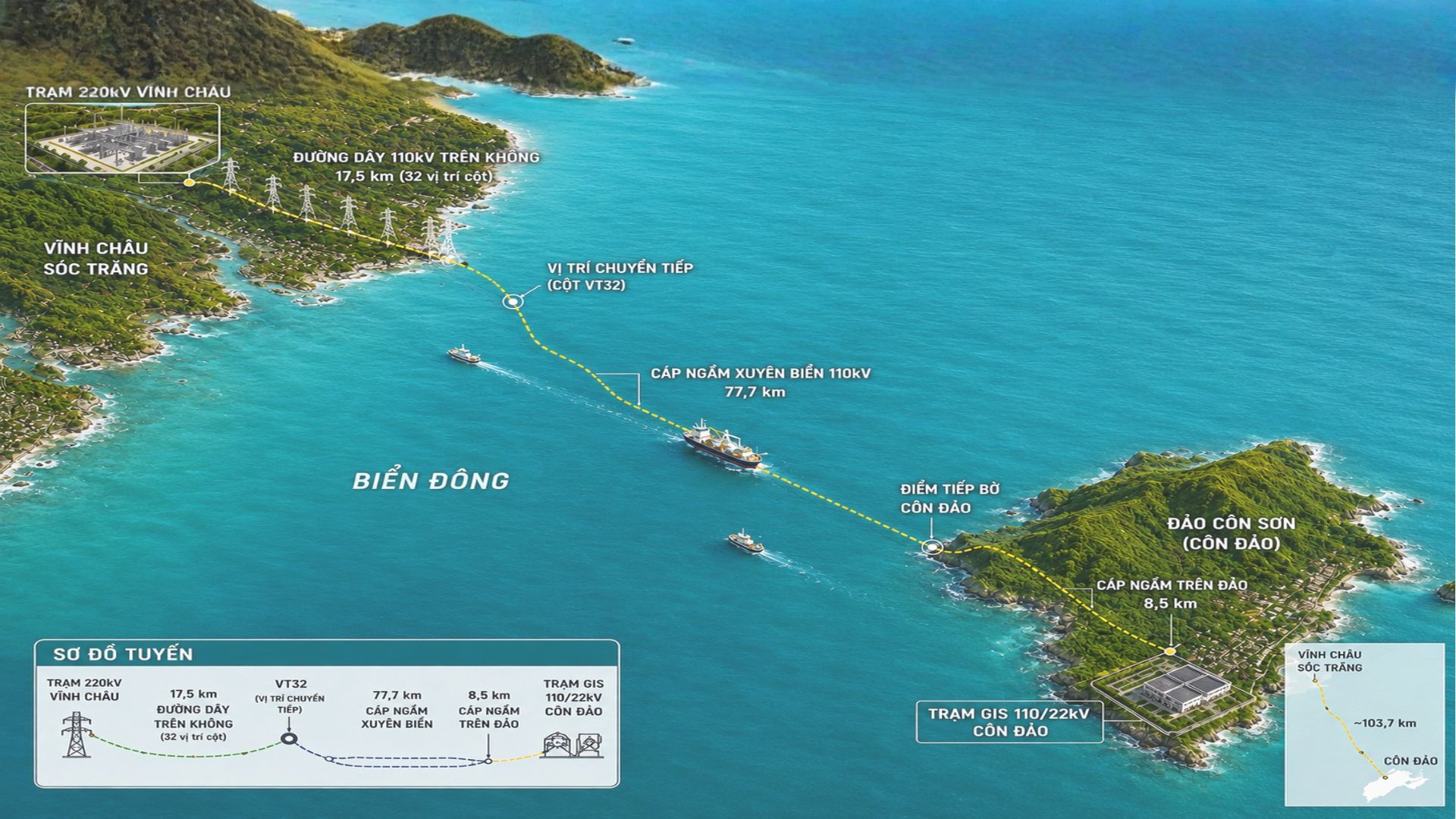 103.7 km
Underground and submarine cables
110 kV Transmission Line Supplying Power to Con Dao
09/2025
Overhead line, submarine cable and underground cable on the island
View detailsPSC’S FEATURED CASE STUDIES
DEMANDING ENGINEERING CHALLENGES – COMPLEX OPERATING CONDITIONS
 ENERGY
01 / 03
500 KV TRANSMISSION PROJECT
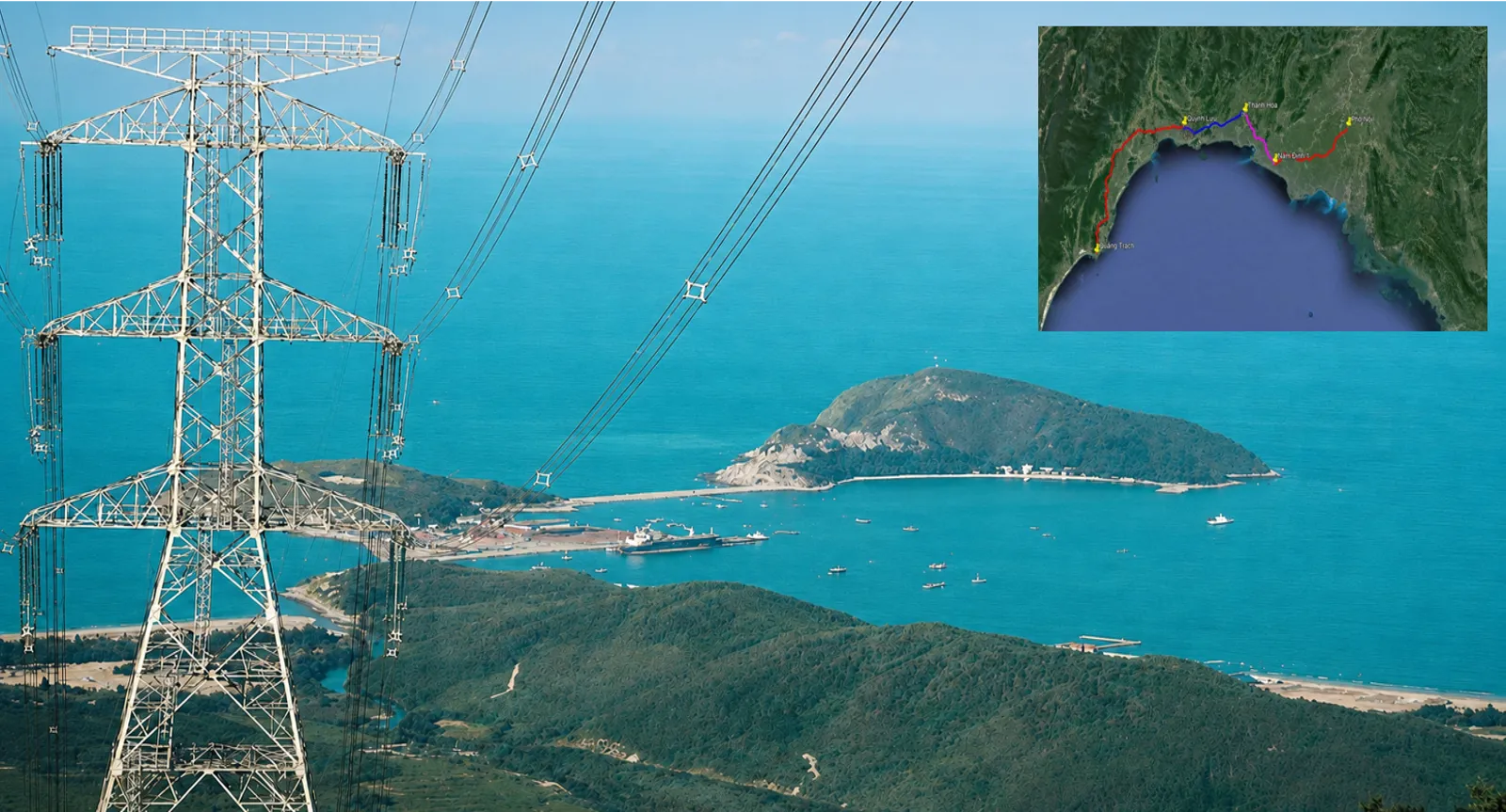
500 KV CIRCUIT 3 QUANG TRACH – PHO NOI TRANSMISSION LINE
QUANG TRACH, QUANG BINH
A large-scale project with an exceptionally tight schedule, involving surveying works along a 519 km route. It required close coordination among multiple stakeholders, rapid verification and timely data delivery to meet the demanding schedules for design, site clearance and construction.
- LENGTH
- 519 km
- AREA
- Quang Binh → Hung Yen
- YEAR COMPLETED
- 2024
TERRAIN AND GEOLOGICAL CONDITIONS AT PSC PROJECT SITES
DIVERSE TERRAIN – COMPLEX GEOLOGY – CHALLENGING FIELDWORK CONDITIONS
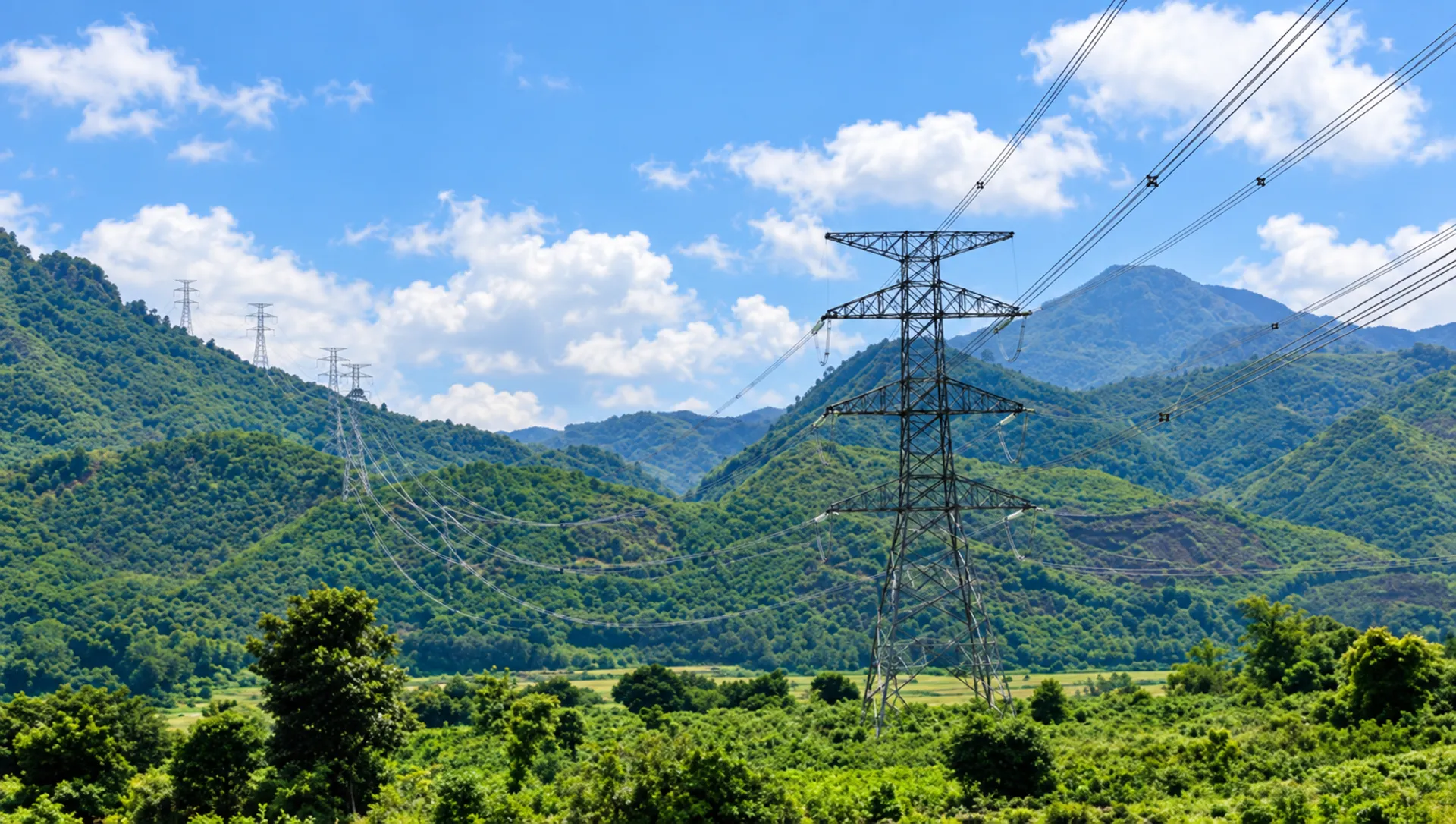
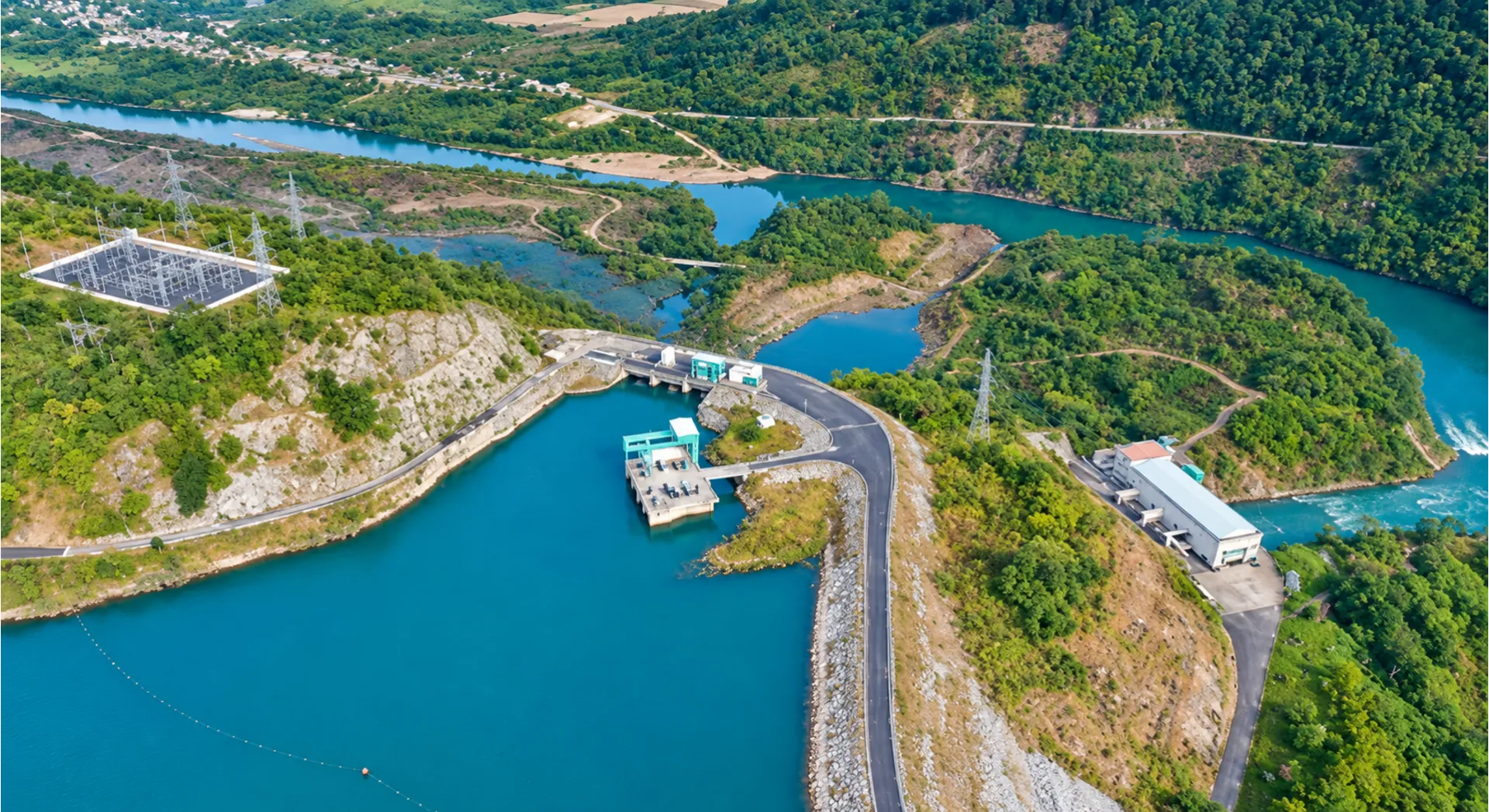
1/12. MOUNTAINOUS AREAS, DEEP FORESTS AND STEEP TERRAIN
Mountainous terrain covers much of Vietnam, extending from the northern regions through the Truong Son Range to the Central Highlands. These areas are typically characterized by highly dissected terrain, steep slopes, difficult access, variable weather conditions and potential risks of landslides, rockfalls and erosion.
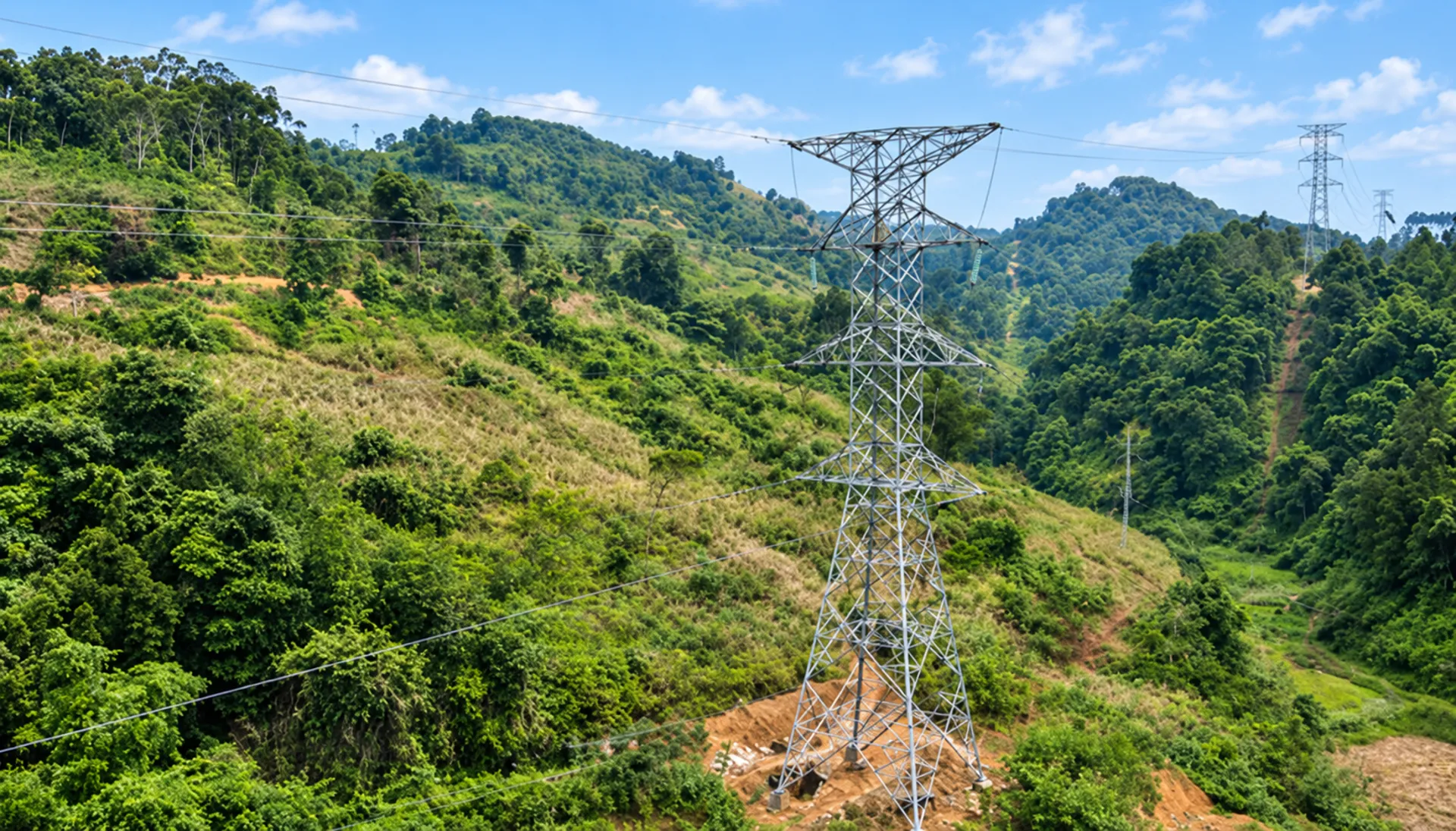
2/12. RIVERS, RESERVOIRS AND LARGE RIVER BASINS
A dense river network, together with numerous natural lakes and reservoirs, creates areas with variable riverbed and lakebed topography, complex flow patterns and seasonal water level fluctuations. Many projects require coordinated surveys on land, at the water surface and underwater across different months of the year.
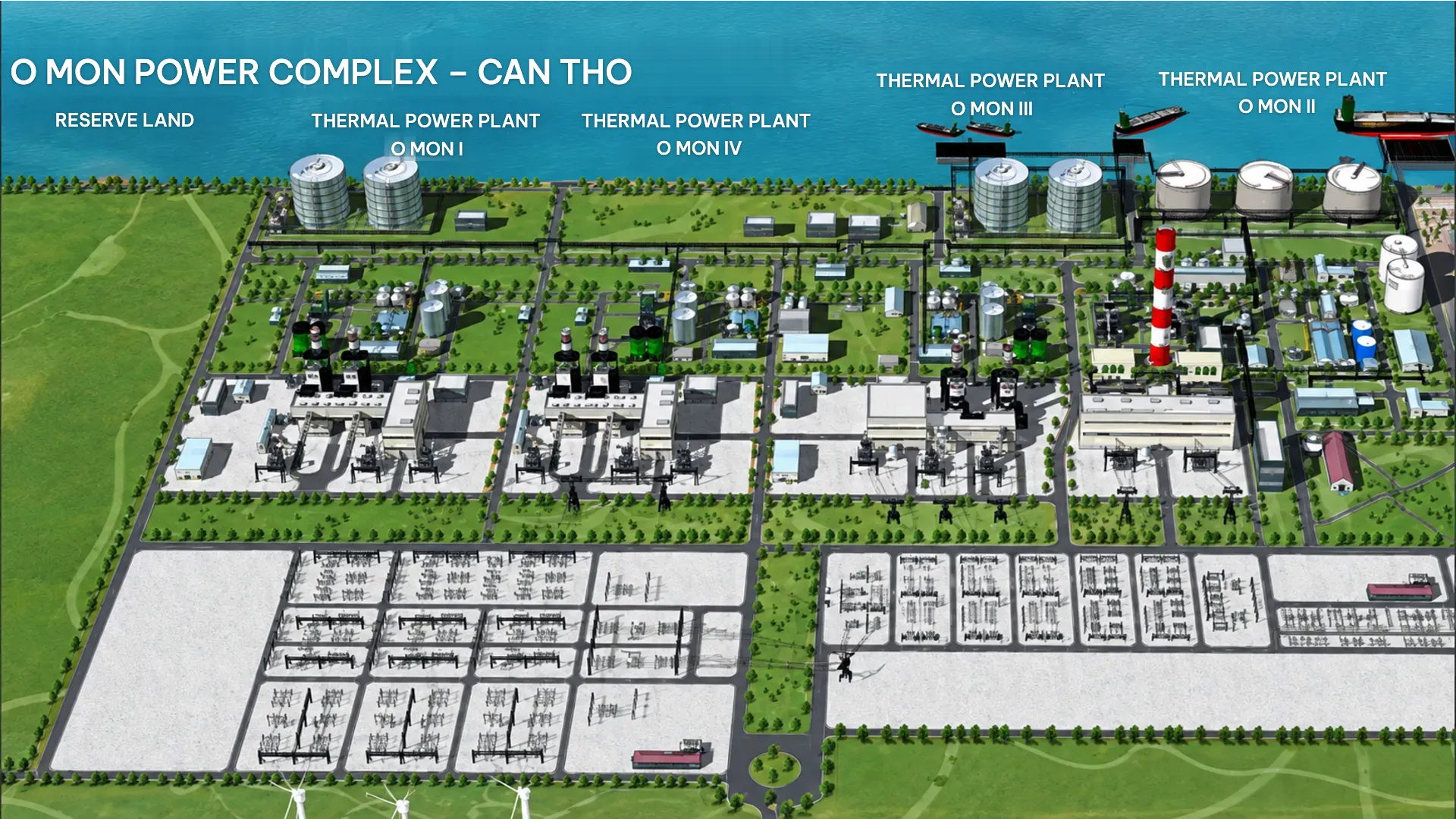
3/12. PLATEAUS, MIDLANDS AND LOW HILLS
These areas feature stepped and undulating terrain with varying slopes, forming a transition between plains and mountainous regions. Ground conditions often exhibit uneven weathering, faulting and rapid variations over short distances. The risk of slope instability places greater demands on engineering geological investigations.
4/12. DELTA PLAINS AND SOFT GROUND
The Red River Delta and the Mekong Delta are low-lying and relatively flat, but ground conditions are often complex. Layers of mud, soft clay, or recent sediments have low bearing capacity, high settlement potential, and variable thickness, alongside high groundwater levels and saline inundation.
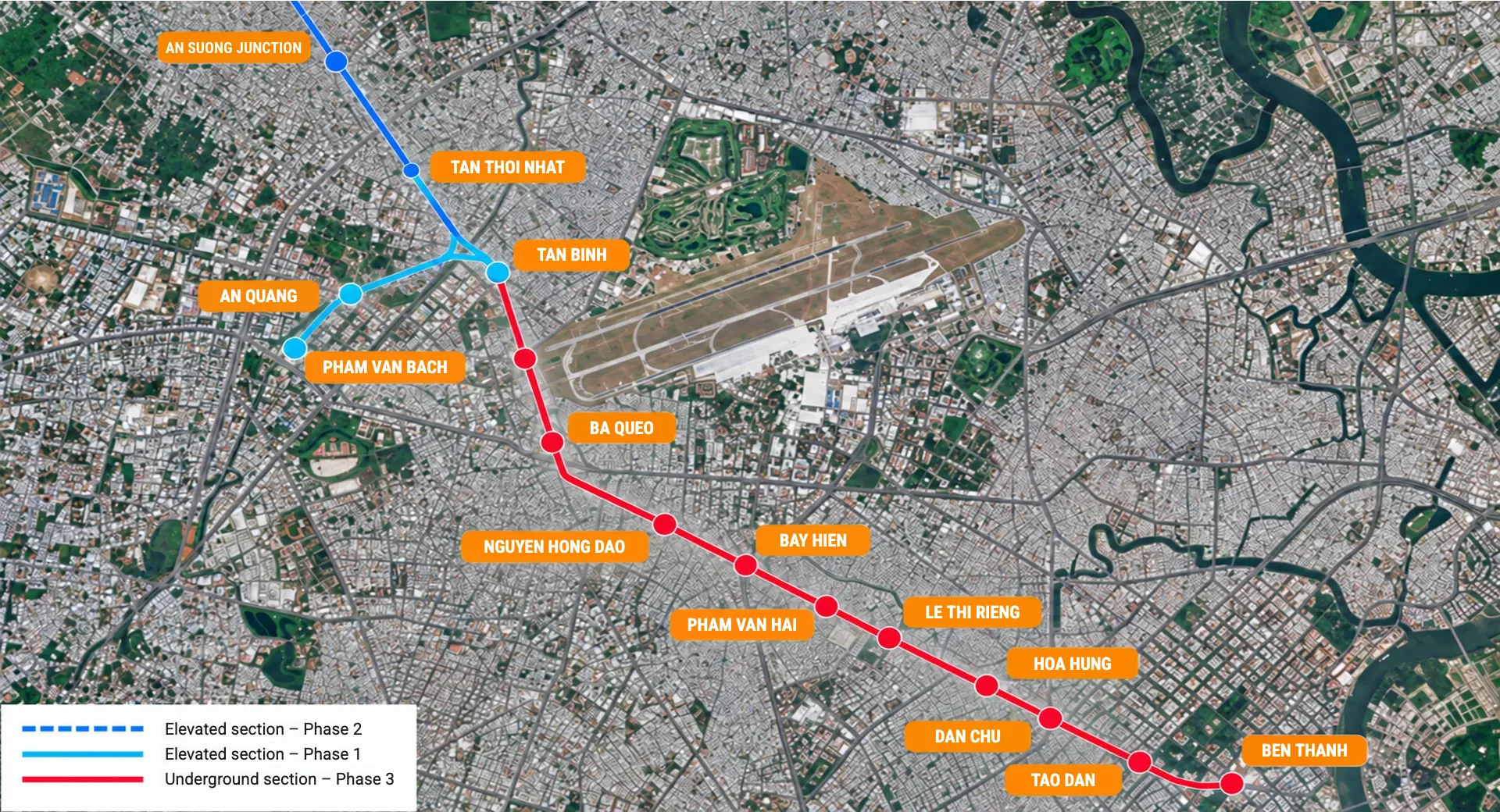
5/12. DENSE URBAN AREAS AND CONFINED WORKSPACES
Major cities have dense concentrations of buildings, traffic, utility infrastructure, and underground structures. Surveying or construction must be carried out in confined spaces, close to existing structures, and sometimes within facilities that remain in operation.
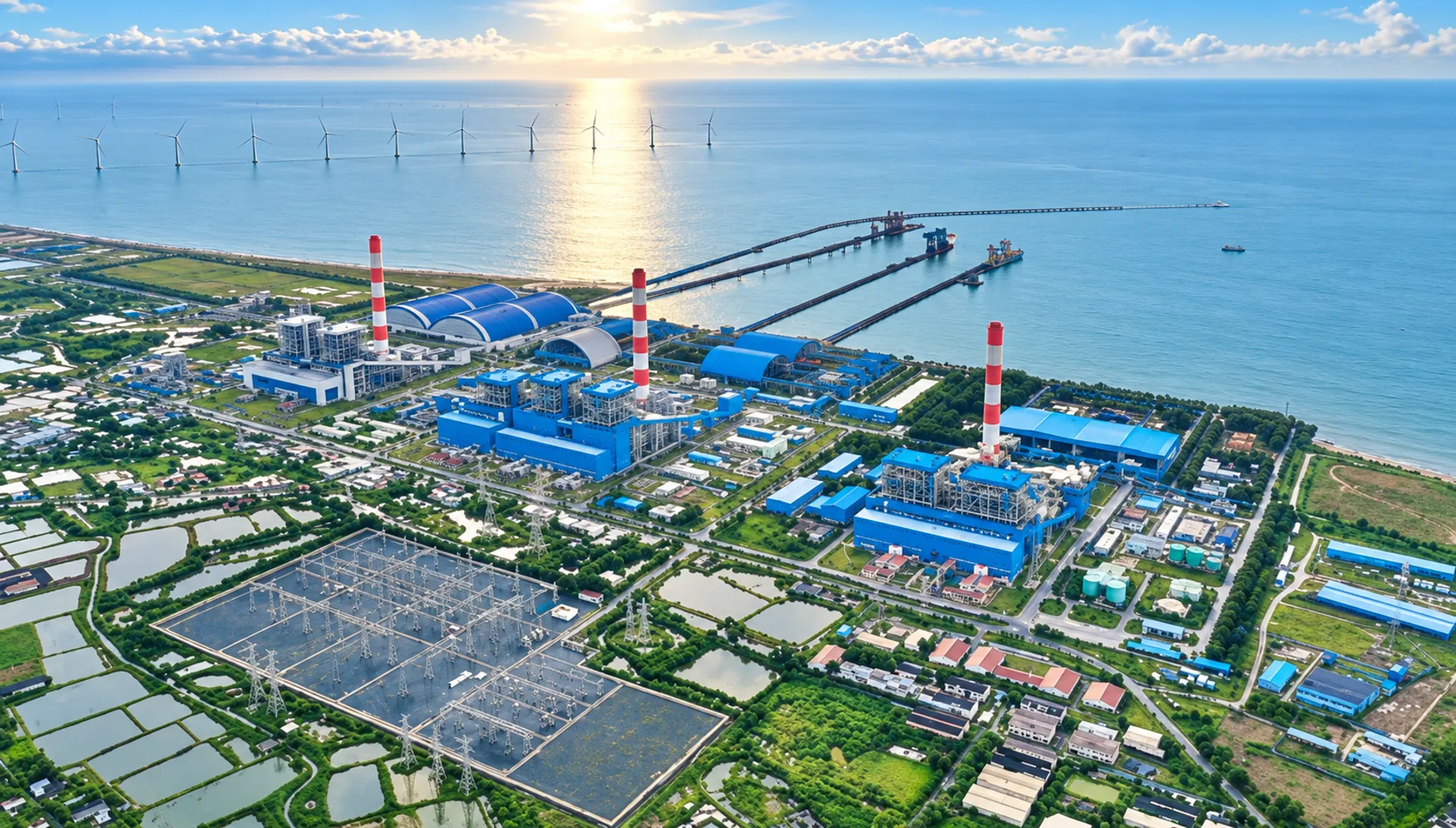
6/12. COASTAL AREAS, ESTUARIES AND TIDAL FLATS
Vietnam has a long coastline with numerous estuaries, lagoons, and tidal flats. The terrain continually changes under the influence of waves, wind, tides, currents, and sedimentation–erosion processes. Coastal ground is often soft and weak, with chemically aggressive conditions, while construction activities depend heavily on the weather.
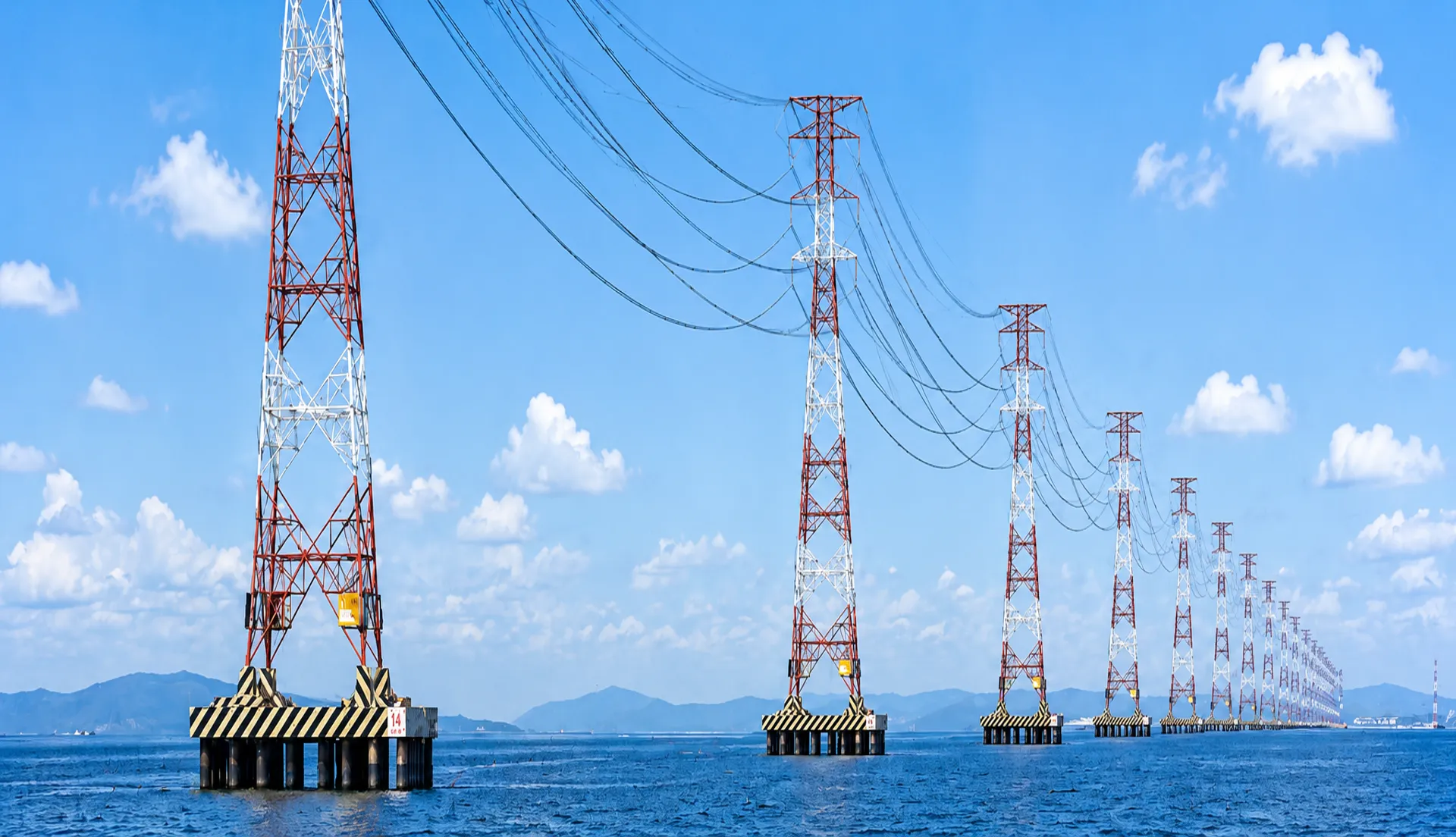
7/12. ISLANDS, CROSS-SEA ROUTES AND DEEP-WATER AREAS
Projects on islands and routes connecting the mainland to islands pose specific requirements for transportation, logistics, positioning, seabed surveys, marine geological investigations and construction planning in rough seas and strong winds.
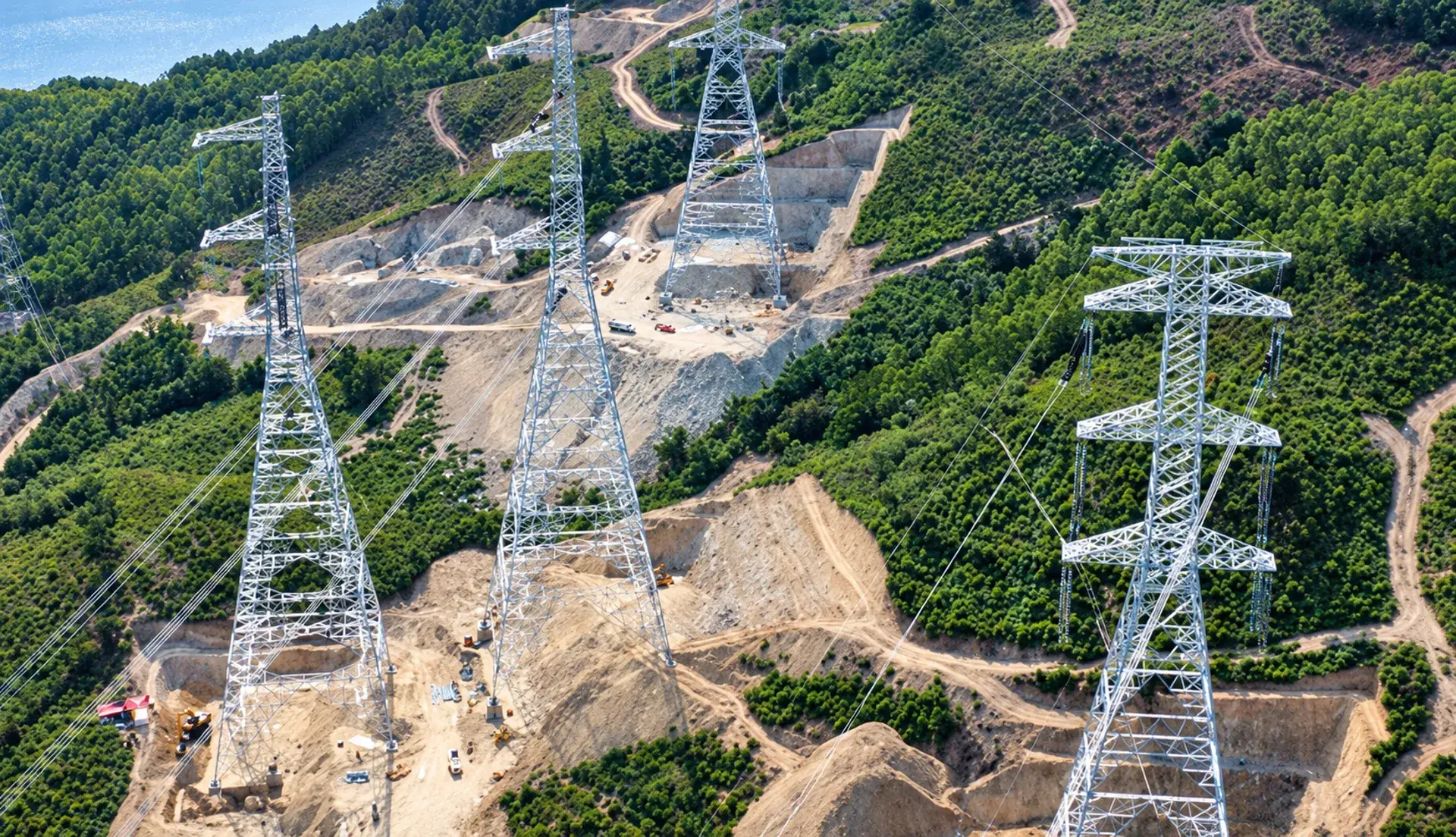
8/12. EXTENSIVE TERRAIN AND INTERREGIONAL ROUTES
PSC’s linear infrastructure projects can extend over hundreds of kilometres, crossing multiple provinces and continuously transitioning between plains, rivers and lakes, wetlands, residential areas, forests and high mountains. Implementation requires the simultaneous deployment of multiple survey teams, consistent coordinate and elevation reference systems, and control of data consistency across the sections within its assigned scope.
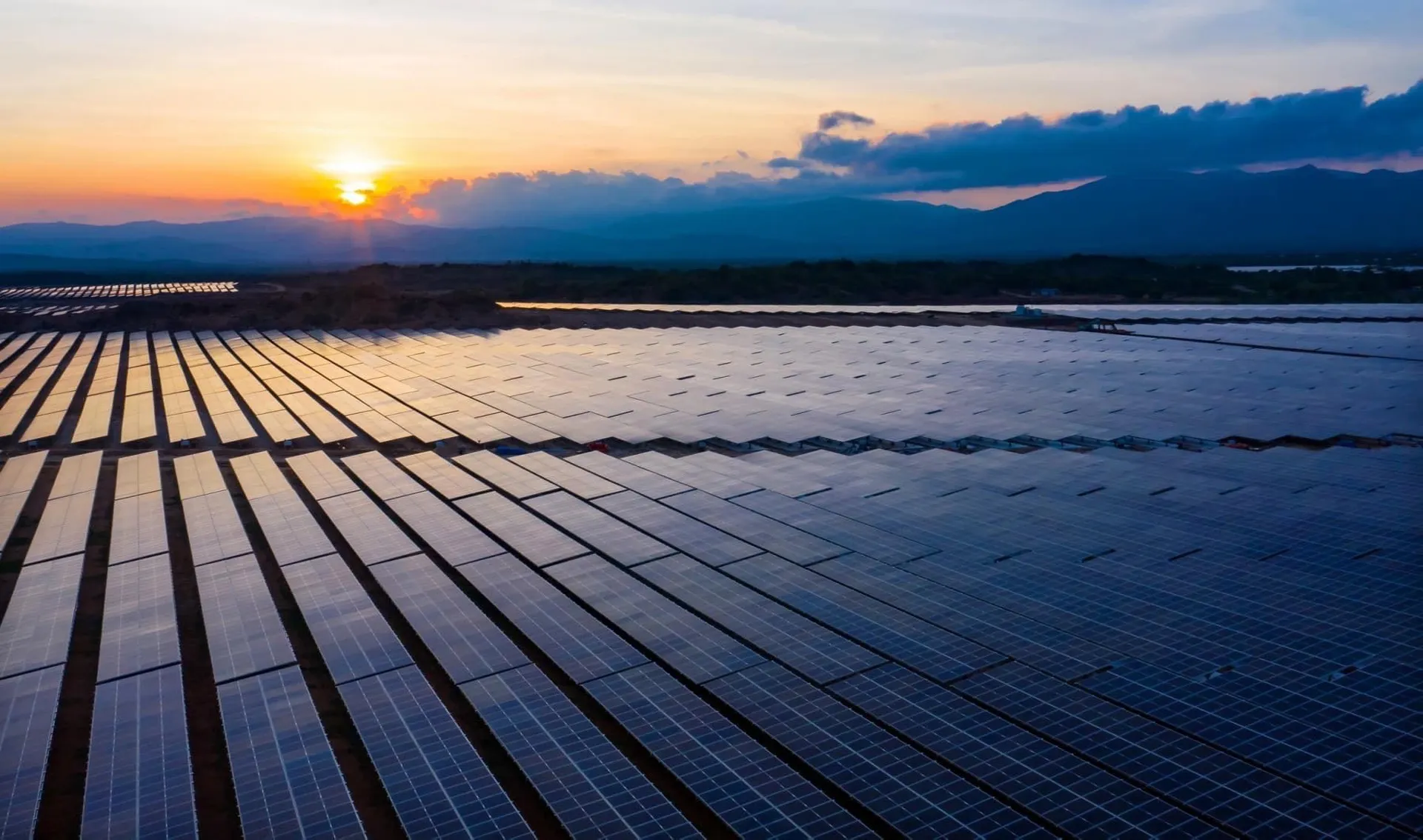
9/12. THE CENTRAL COAST OF VIETNAM
The narrow coastal strip of central Vietnam features mountains close to the sea, interspersed with river mouths, lagoons and sandy beaches, and is frequently affected by storms, floods, storm surges and erosion. Geological conditions vary rapidly, from exposed bedrock and heavily weathered rock in mountainous areas to sand and marine sediments along the coast.
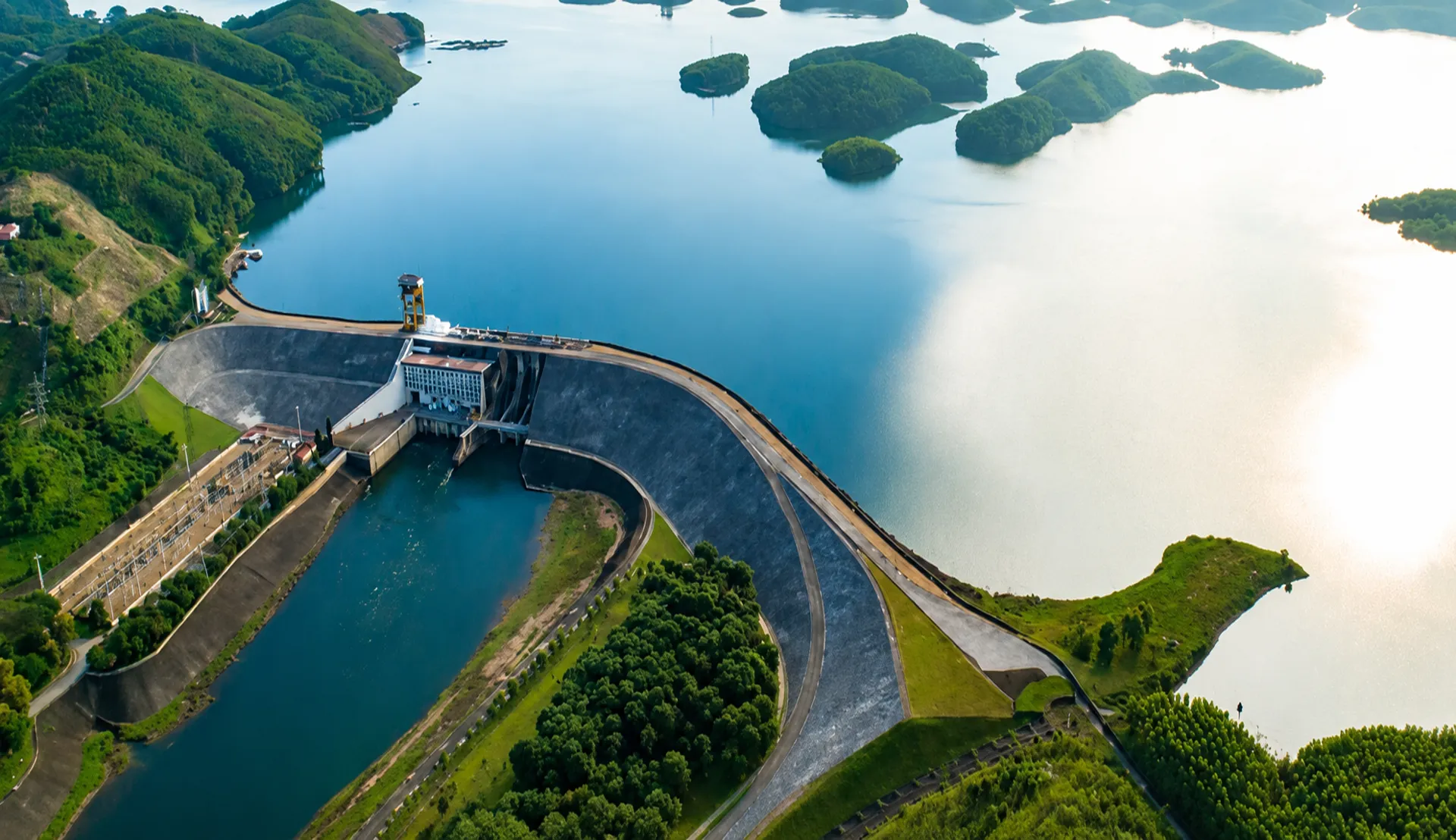
10/12. NORTHERN VIETNAM
The terrain transitions from plains and midlands to high mountains, interspersed with extensive river and lake systems and deeply dissected landscapes. Geological conditions are diverse, ranging from lowland sediments to mountainous bedrock, with extensive weathering and complex geological structures in many areas.
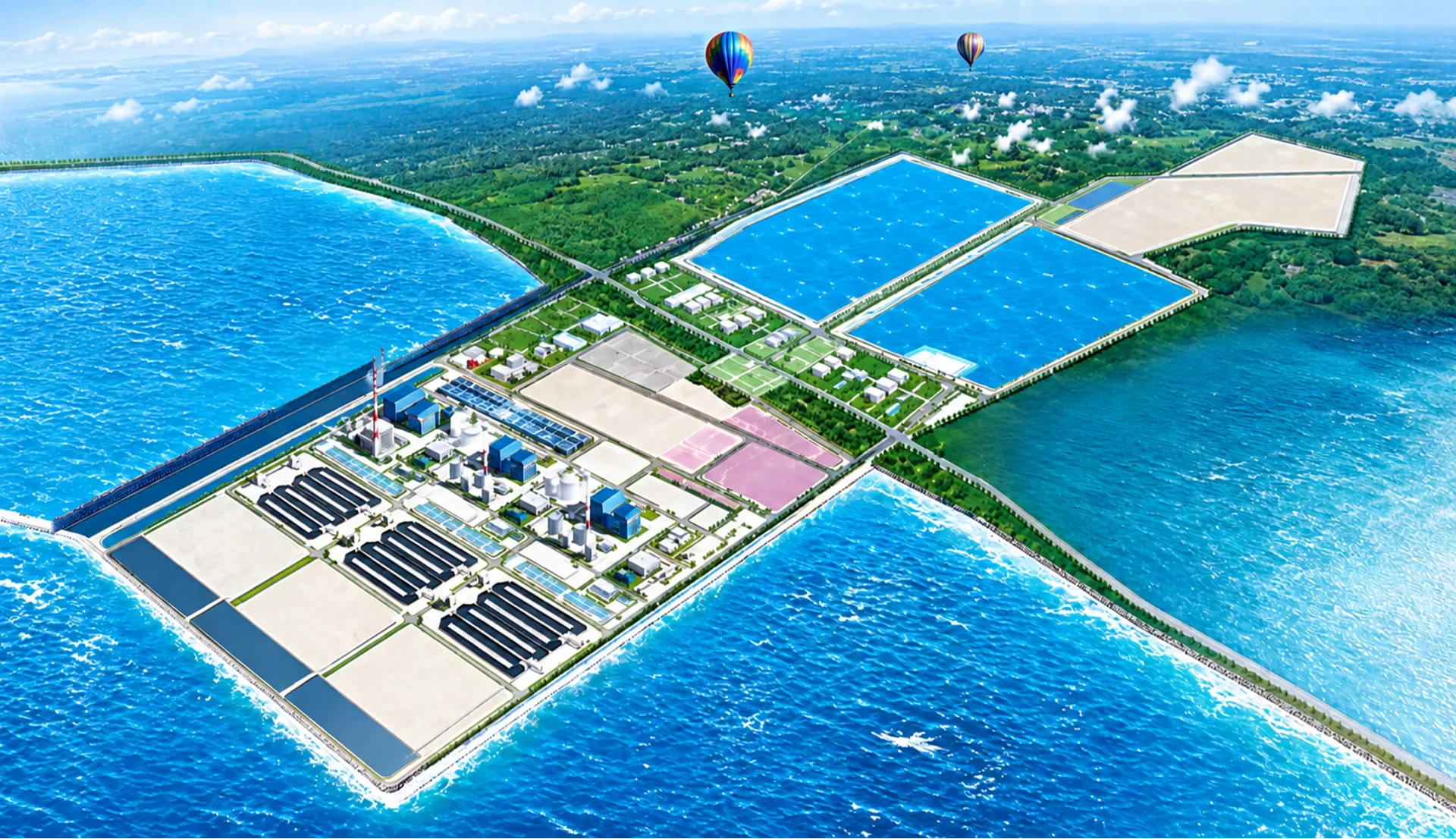
11/12. SOUTHERN VIETNAM
The terrain is low-lying and relatively flat, with a dense network of rivers and canals. Geological conditions are dominated by young sediments and soft soils, forming thick deposits in delta regions and influenced by groundwater and tides.
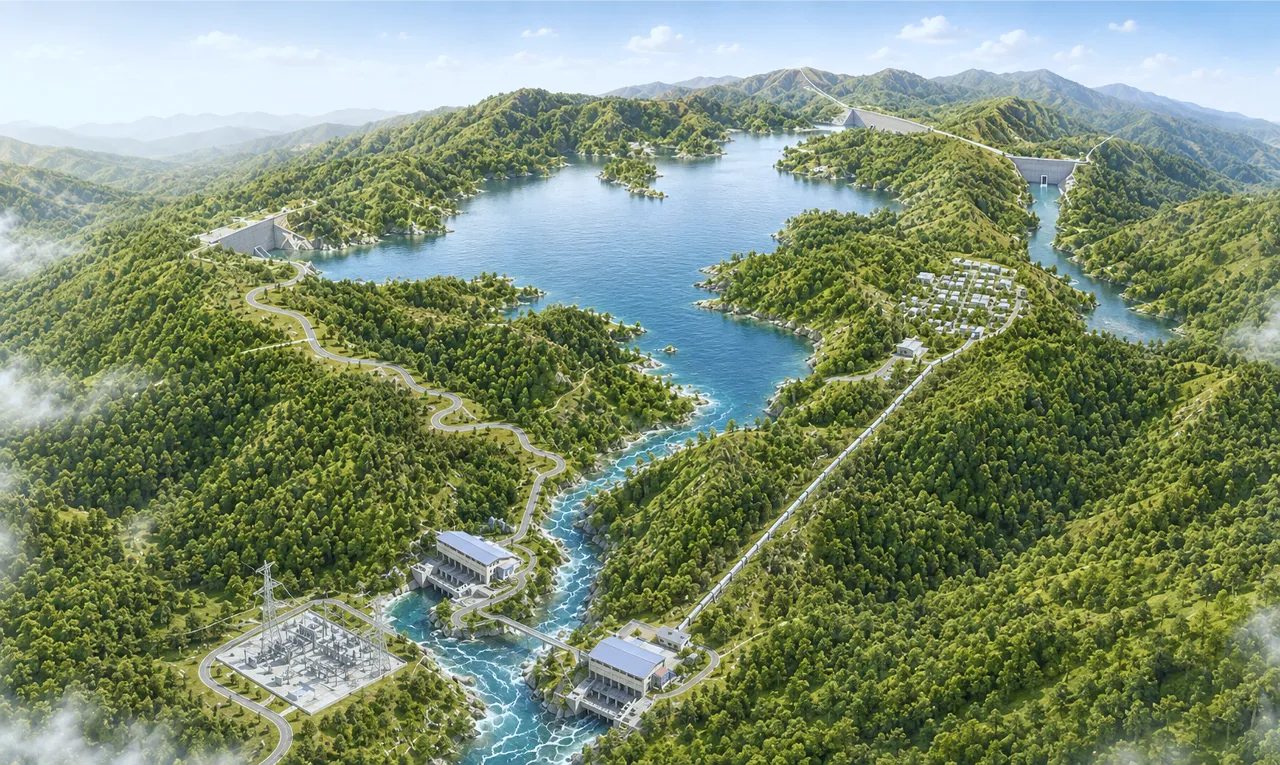
12/12. OVERSEAS
Drawing on experience gained from thousands of projects across complex terrain and geological conditions in Vietnam, PSC is confident in its capabilities, expertise and adaptability to undertake projects overseas.