EQUIPMENT
01
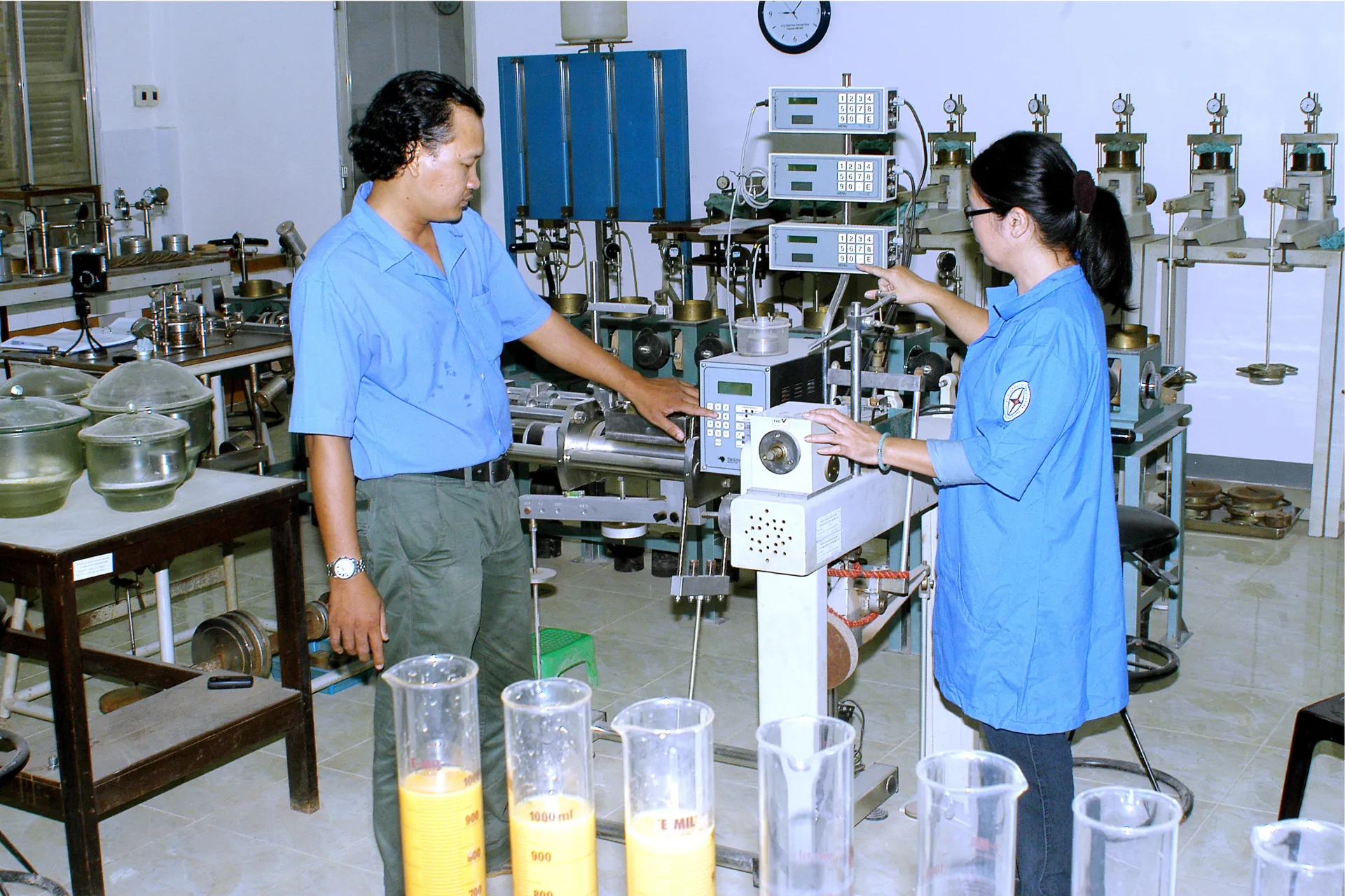
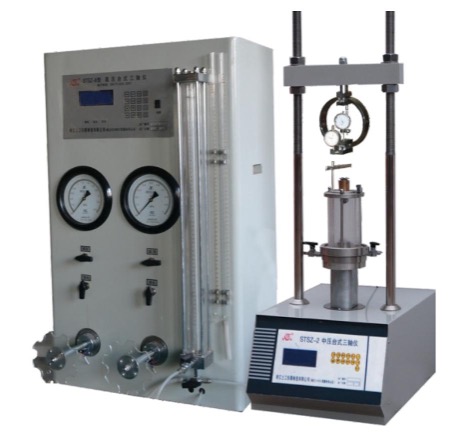
TSZ-30-2.0 SOIL TRIAXIAL TESTING APPARATUS
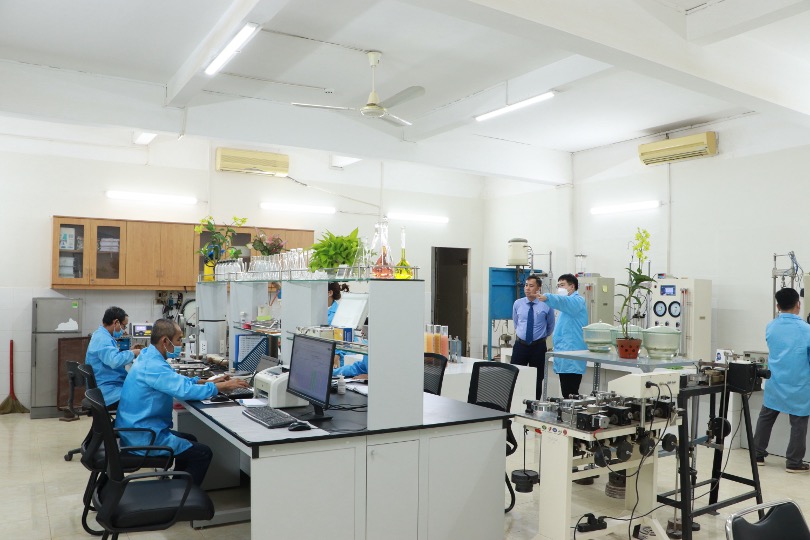
Geotechnical testing equipment used to determine soil shear strength and shear strength parameters under various stress conditions. The apparatus uses cylindrical soil specimens and applies confining pressure combined with axial loading to simulate stress conditions in the ground. The TSZ30-2.0 model has a maximum compressive load capacity of 30 kN and accommodates commonly used specimen sizes of Ø39.1 × 80 mm and Ø61.8 × 125 mm.
02
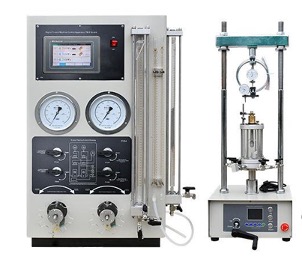
TSZ-3 STRAIN-CONTROLLED TRIAXIAL TESTING APPARATUS
Equipment used for soil triaxial compression testing to determine deformation characteristics and shear strength under controlled stress conditions. The TSZ-3 is used for UU and CU/CD tests, depending on the configuration and testing procedure.
03
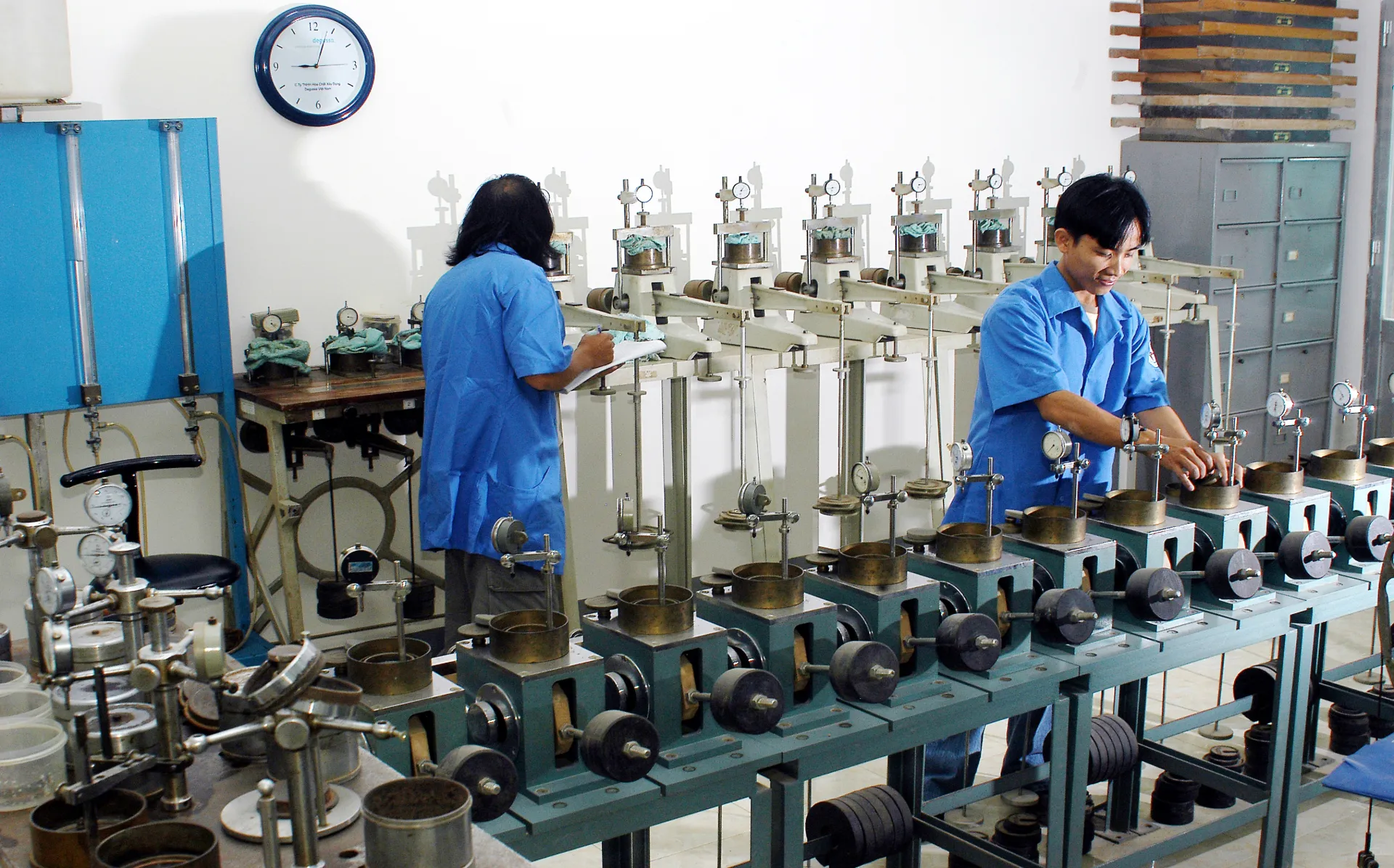
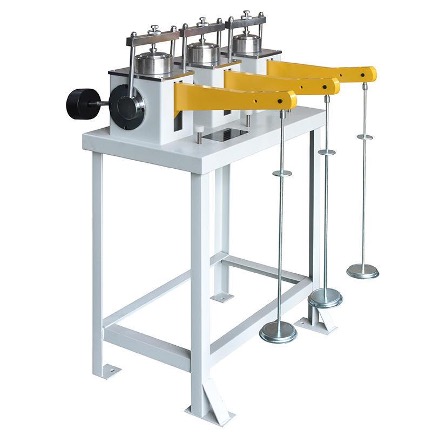
WG-1B TRIPLE CONSOLIDATION TESTING APPARATUS
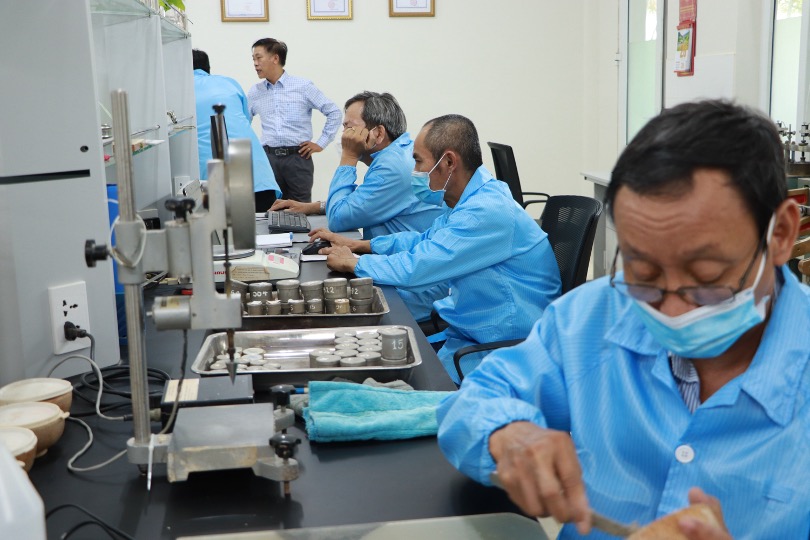
Equipment used to determine soil compressibility and consolidation characteristics through the relationship between applied load and specimen deformation. The triple-unit system allows multiple specimens to be tested simultaneously under different load increments to determine parameters such as the compression index and coefficient of consolidation. The WG-1B accommodates specimens with cross-sectional areas of 30 or 50 cm², with the pressure range depending on the configuration.
04
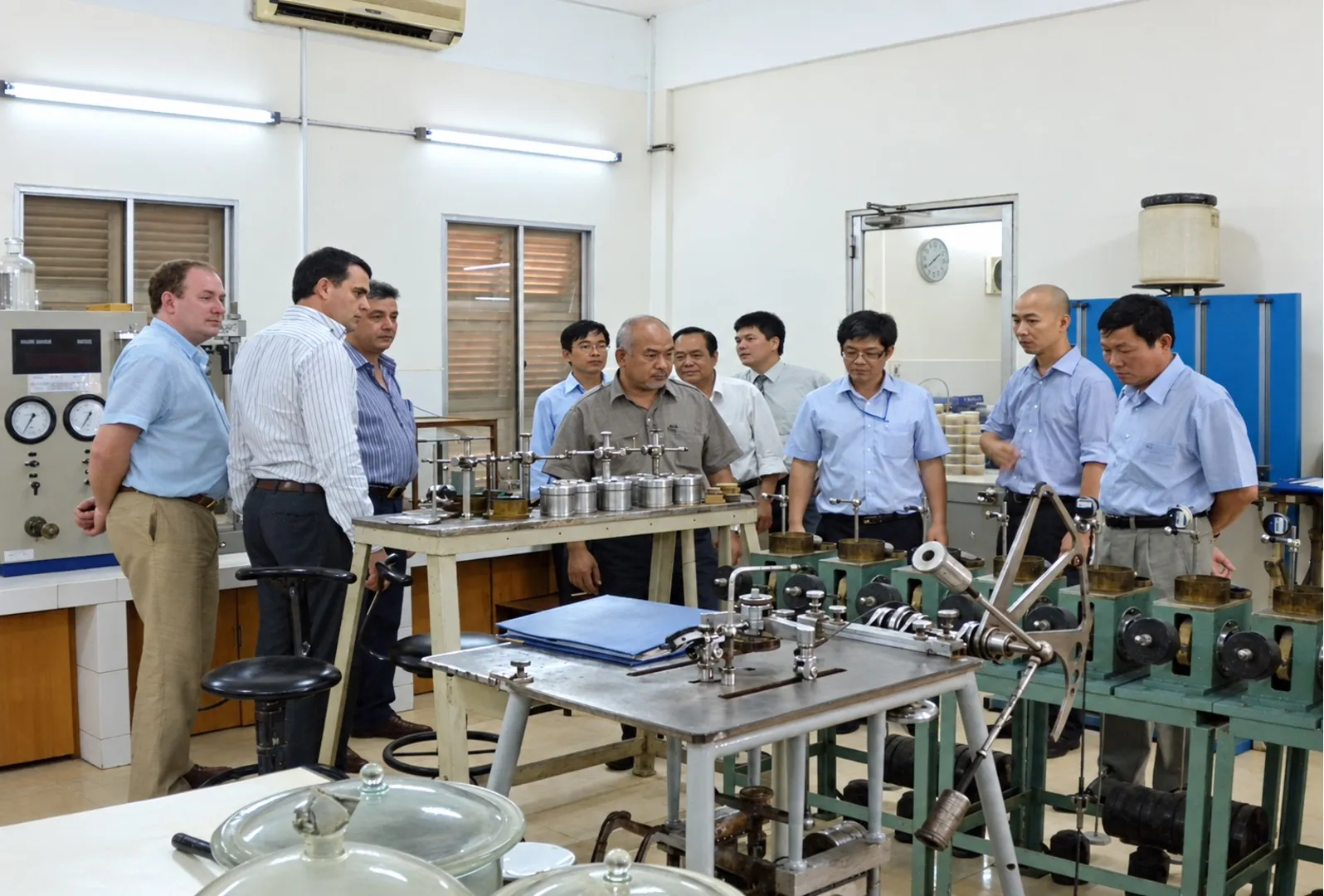
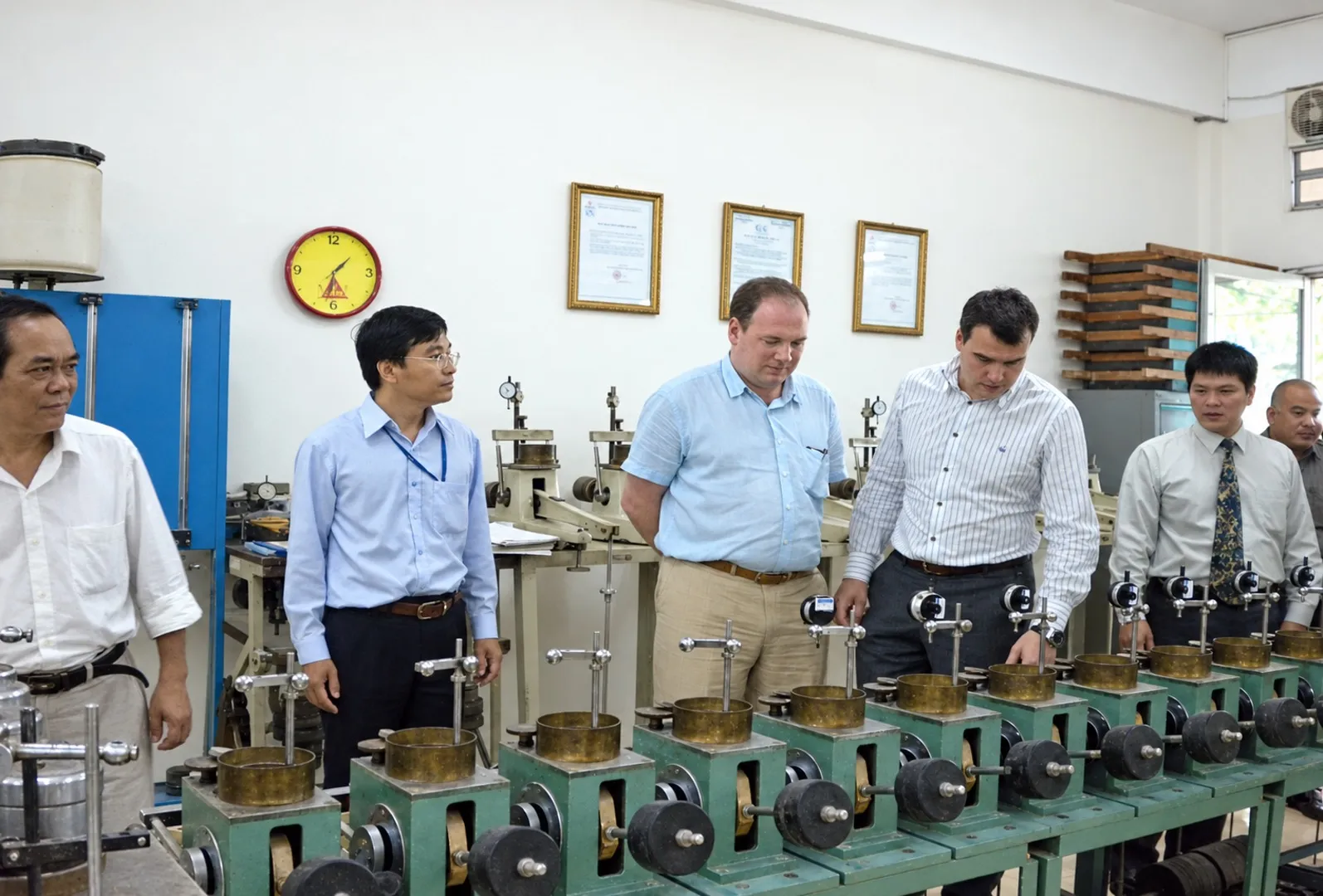
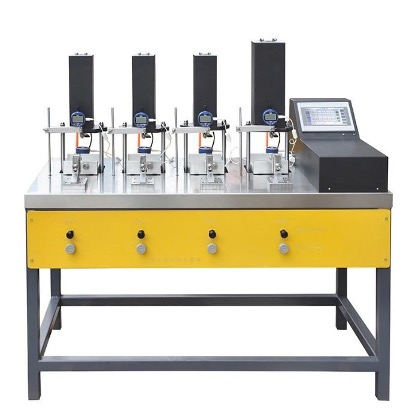
ZJ FOUR-UNIT DIRECT SHEAR TESTING APPARATUS
Equipment used to determine soil shear strength by applying different normal loads and horizontal shear forces to soil specimens. The results are used to determine cohesion and the angle of internal friction for assessing the stability of foundations, slopes and earth structures. The ZJ four-unit system allows four specimens to be tested under different normal stresses.
05
MATEST – 1.200 kN COMPRESSION TESTING MACHINE
A high-capacity compression testing machine used to determine the compressive strength of construction materials. Depending on its configuration, it can test concrete, rock and other materials in cube or cylindrical specimen form.
06
TYA-2000 CONCRETE AND ROCK COMPRESSION TESTING MACHINE
A high-capacity compression testing machine used to determine the compressive strength of concrete, rock and other construction materials. The TYA-2000 has a maximum compressive load capacity of 2,000 kN, making it suitable for laboratory material strength testing.
07
TYA-300 CEMENT AND MORTAR COMPRESSION TESTING MACHINE
Equipment used to determine the compressive and flexural strength of mortar and cement, supporting quality assessment of construction materials. The equipment is used for tests conducted in accordance with the applicable testing standards for cement and mortar.
08
WE-1000B / WEW-1000B STEEL TENSILE TESTING MACHINE – UNIVERSAL TESTING MACHINE
Equipment for testing the mechanical properties of materials, with a maximum testing force of 1,000 kN. It is used to determine the tensile strength, yield strength and elongation of steel, and to perform compression, bending and shear tests, depending on the configuration. The WEW-1000B series uses a hydraulic system and a data acquisition system to process test results.
09
ABRASION TESTING MACHINE LOS ANGELES
Equipment used to determine the abrasion loss and abrasion resistance of stone aggregates by rotating specimens together with steel balls in a drum in accordance with the testing procedure. The results are used to assess the quality and durability of aggregates used in concrete, roads and other construction works.
10
TLS-100 THERMAL CONDUCTIVITY METER
Equipment used to measure the thermal conductivity and thermal resistivity of soil, rock, concrete and certain other materials. The TLS-100 uses the Transient Line Source method to determine material heat transfer properties within a short measurement time; its thermal conductivity measurement range is 0.1–5 W/(m·K), with a typical accuracy of approximately 5%.
11
AUTOMATIC DATA ACQUISITION SYSTEMS
Automatic data acquisition systems connect to force, displacement, pressure and strain sensors, as well as specialized probes, enabling continuous recording of parameters throughout testing. Data is digitized, stored and processed automatically, improving data control, traceability and the reliability of test results.